

Nguyen Tat Thanh University’s high-tech development Center breaks ground on two new buildings: Global Hub and Innovation Hub
NTTU – On the morning of May 19, at Ho Chi Minh City High-Tech Park (Lots E3-1.1, E3-1.2, E3-1.3), Nguyen Tat Thanh University (under Saigon Textile and Garment Joint Stock Company) held a groundbreaking ceremony for two new buildings at the University’s High-Tech Development Center. This milestone marks a significant step forward in expanding the University’s infrastructure while strengthening the city’s capacity for advanced technology research and innovation.
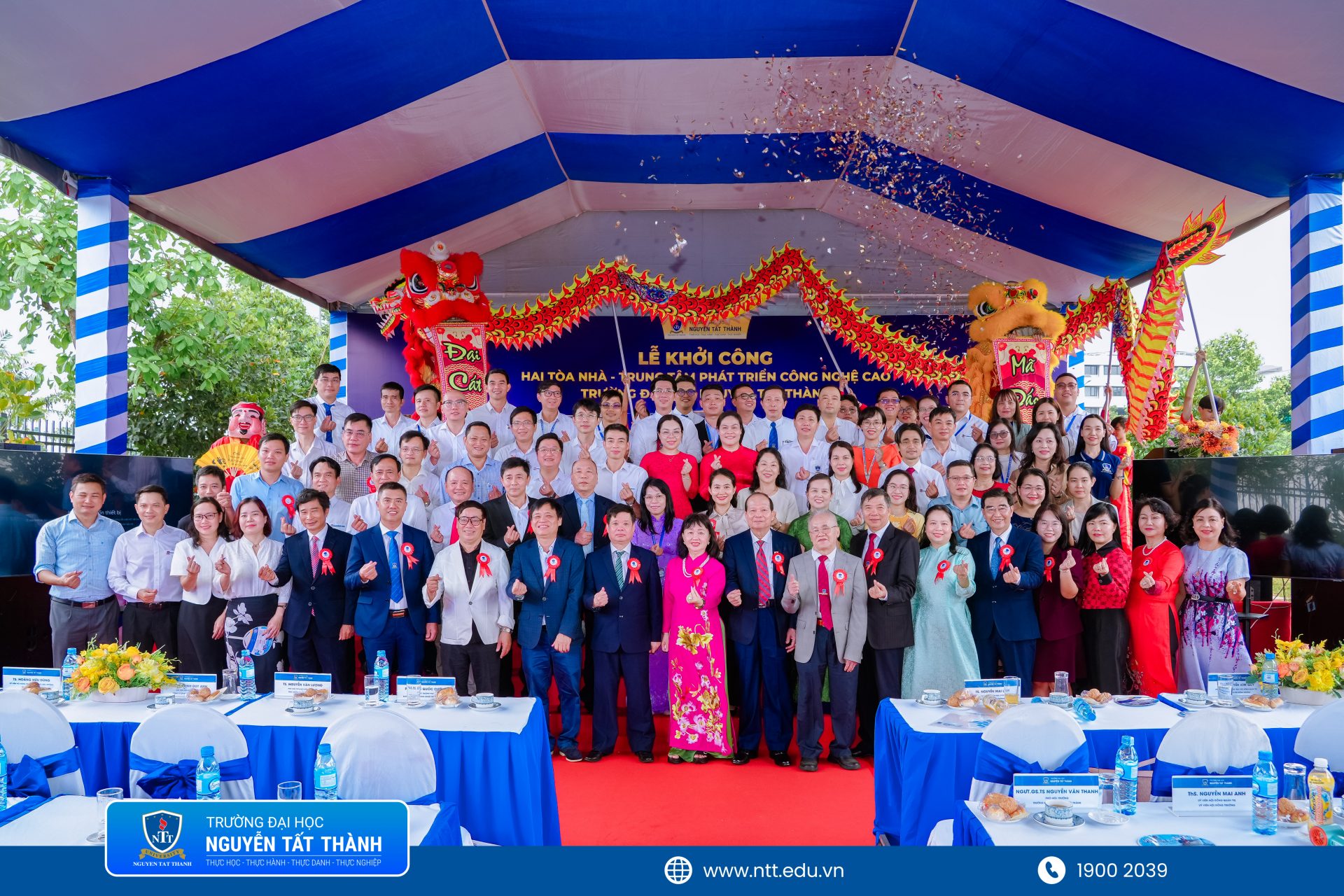
Groundbreaking ceremony at Nguyen Tat Thanh University’s High-Tech Development Center
The ceremony was attended by distinguished guests including Assoc. Prof. Dr. Le Quoc Cuong, Deputy Head of the Ho Chi Minh City High-Tech Park Management Board; Mr. Nguyen Nghia Hiep, Deputy Head of the same authority; Mr. Nguyen Van Cuong, Chairman of Tan Binh Joint Stock Company and Lead Member of the TBC-136 Joint Venture; and Mr. Cao Van Cuong, General Director of Saigon Construction Inspection Joint Stock Company No. 3. Representatives from partner organizations, businesses, design and supervision consultants, construction contractors, and media outlets were also in attendance.
From Nguyen Tat Thanh University, the ceremony was joined by members of the Board of Directors, University Council, and University Executive Board, along with faculty, staff, and employees.
A Vision for the Future of Education and Technology
Speaking at the ceremony, Dr. Nguyen Mai Lan — Party Secretary, Chairwoman of the Board of Directors, General Director of Saigon Textile and Garment Joint Stock Company, and Chairwoman of the University Council — highlighted that the High-Tech Development Center project, with a total investment of over VND 1,100 billion (approximately USD 43 million), has been partially operational since 2021 and has steadily established itself as a leading force in the innovation ecosystem. Building on this foundation, the University is now moving forward with the construction of two additional buildings — Global Hub and Innovation Hub.
Dr. Nguyen Mai Lan noted that the complex is expected to be fully operational by early 2028, and will serve not only as a symbol of modern architecture and cutting-edge academic spaces, but also as a key component in completing the University’s integrated education–technology ecosystem.
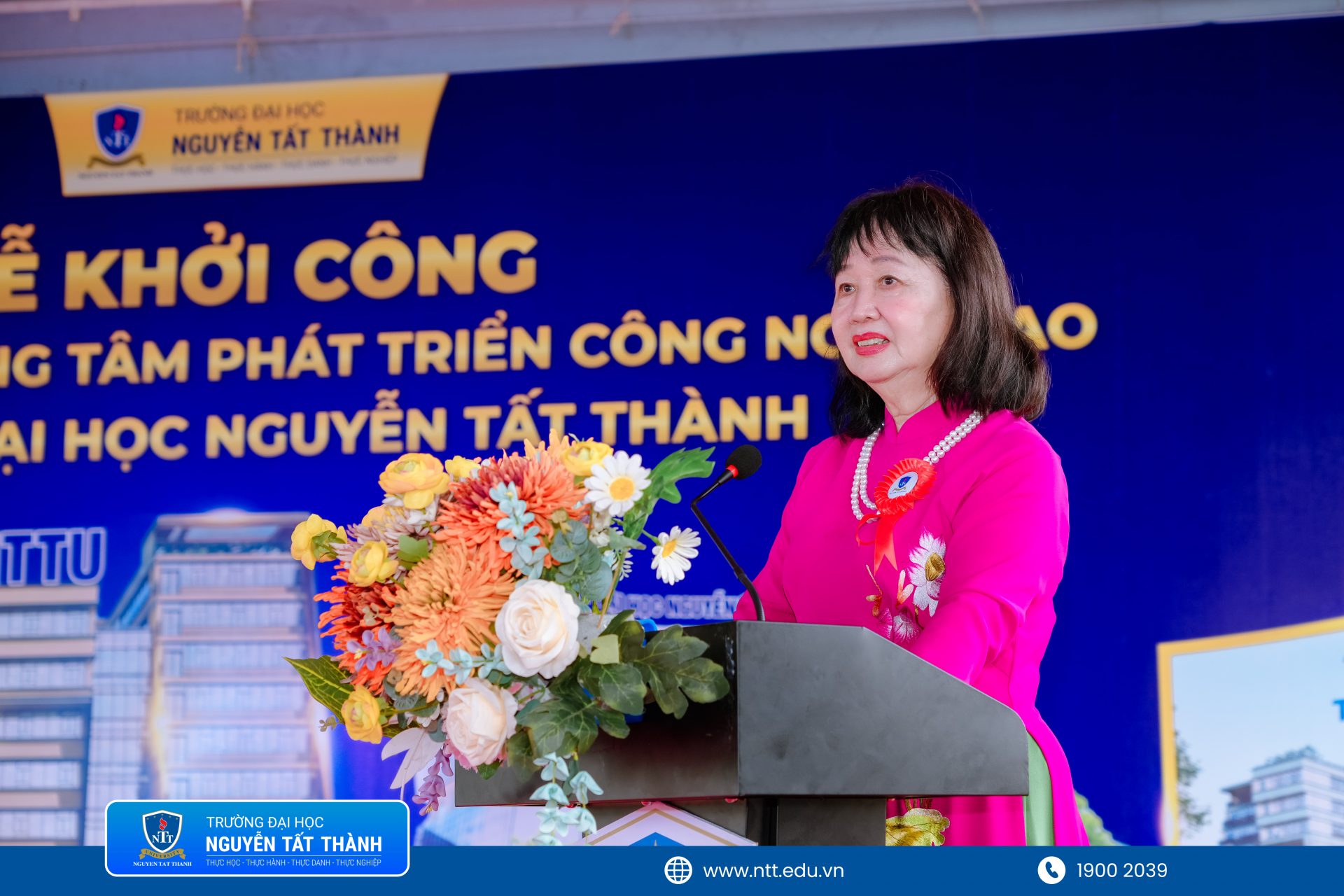
According to Dr. Nguyen Mai Lan, the building complex is expected to be fully operational by early 2028
“We are committed to mobilizing all available resources to complete this project on schedule — not just through the financial investment we have prepared, but through the determination, resilience, and dedication of our entire organization. This will contribute to shaping the architectural landscape of the High-Tech Park and advancing high-quality educational infrastructure in Ho Chi Minh City,” Dr. Nguyen Mai Lan emphasized.
What the Two Buildings Will Offer
As part of the University’s strategy to become an innovation-driven, internationally integrated university, the project encompasses two purpose-built facilities:
Global Hub will house the Institute for International Academic Programs and the Institute for Foreign Language Teaching and Research.
Innovation Hub will be home to the Institute for Informatics Research, the Institute for Society-Driven Training, and the Institute for Enterprise Relations and Student Support.
Together, these buildings are expected to become a modern hub for education and research, equipping Nguyen Tat Thanh University students with the learning environment, research capabilities, language skills, and global competencies needed in the new era.
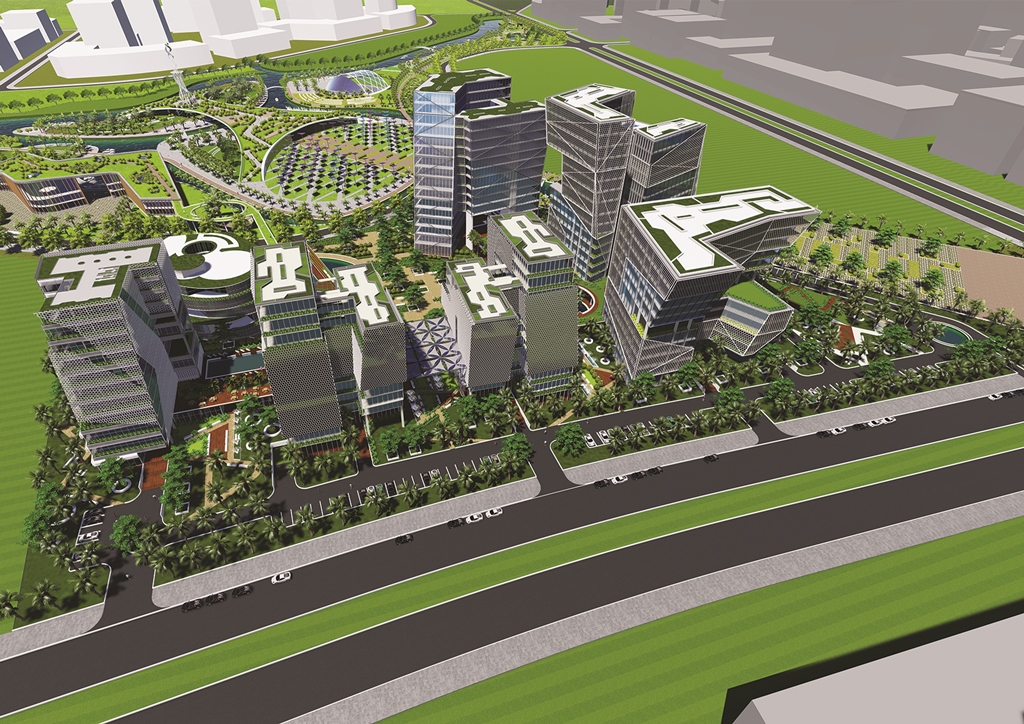
Architectural rendering of Nguyen Tat Thanh University’s investment project at Ho Chi Minh City High-Tech Park
Assoc. Prof. Dr. Nguyen Kim Hong, President of Nguyen Tat Thanh University, affirmed that once completed, the High-Tech Development Center will stand as a symbol of the University’s ambition — a place where knowledge and technology are nurtured and transformed into real-world value for society. It will be a space where students can practice, research, and innovate in an internationally benchmarked learning environment, and where academics, faculty, and business partners can come together to develop breakthrough ideas.
“We believe that investing in modern infrastructure is investing in educational quality — and beyond that, investing in the future of each student and of the country’s high-tech workforce,” said Assoc. Prof. Dr. Nguyen Kim Hong.
Assoc. Prof. Dr. Le Quoc Cuong of the Ho Chi Minh City High-Tech Park Management Board praised the groundbreaking as a strong demonstration of commitment from both Saigon Textile and the University. He noted that the High-Tech Park is undergoing a strategic transformation — evolving from a high-tech manufacturing zone into a science park and, ultimately, a science and technology urban area. The establishment of research centers and high-tech business incubators is central to this vision. The two new buildings, he said, will reinforce modern research infrastructure, advance the University’s position as a leading research institution in high-tech fields, and contribute to the broader science, technology, and innovation ecosystem of Ho Chi Minh City and Vietnam.
Groundbreaking Ceremony
In a formal and celebratory atmosphere, university leadership and guests participated in the traditional groundbreaking ceremony. The first shovels of earth turned were not merely the start of a large-scale construction project — they represented the opening of a new chapter in advanced education and research, full of promise and potential.
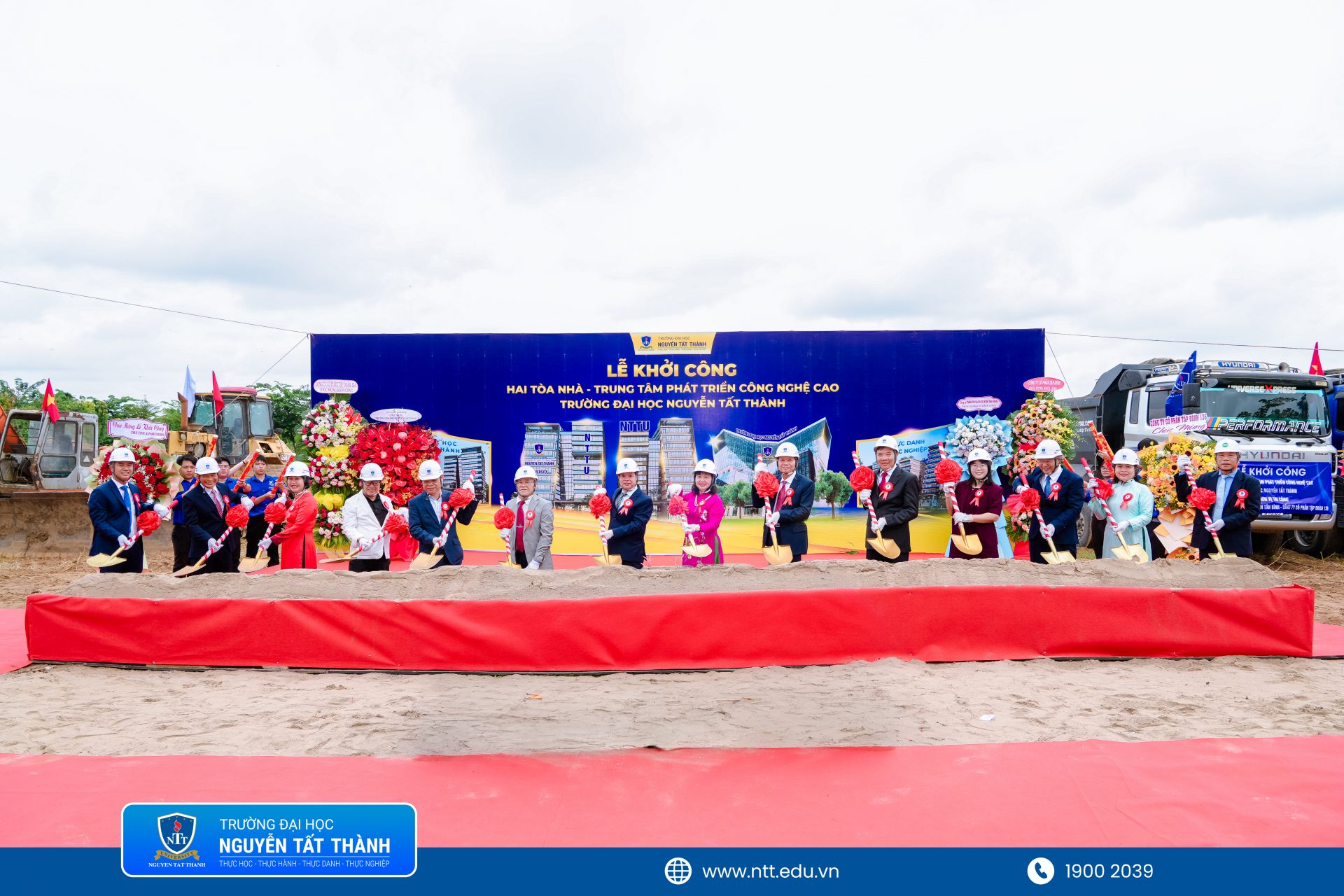
The Board of Directors, University Council, and University Executive Board of Nguyen Tat Thanh University, together with construction and supervision partners, performing the official groundbreaking ceremony
The TBC-136 Joint Venture, which won the construction contract, pledged full commitment to the project under the motto: “Absolute Safety – Top Quality – Time is Gold.” The consortium confirmed it has prepared comprehensive contingency plans and secured all necessary financial and material resources to deliver the project fully in line with the signed contract and approved specifications.
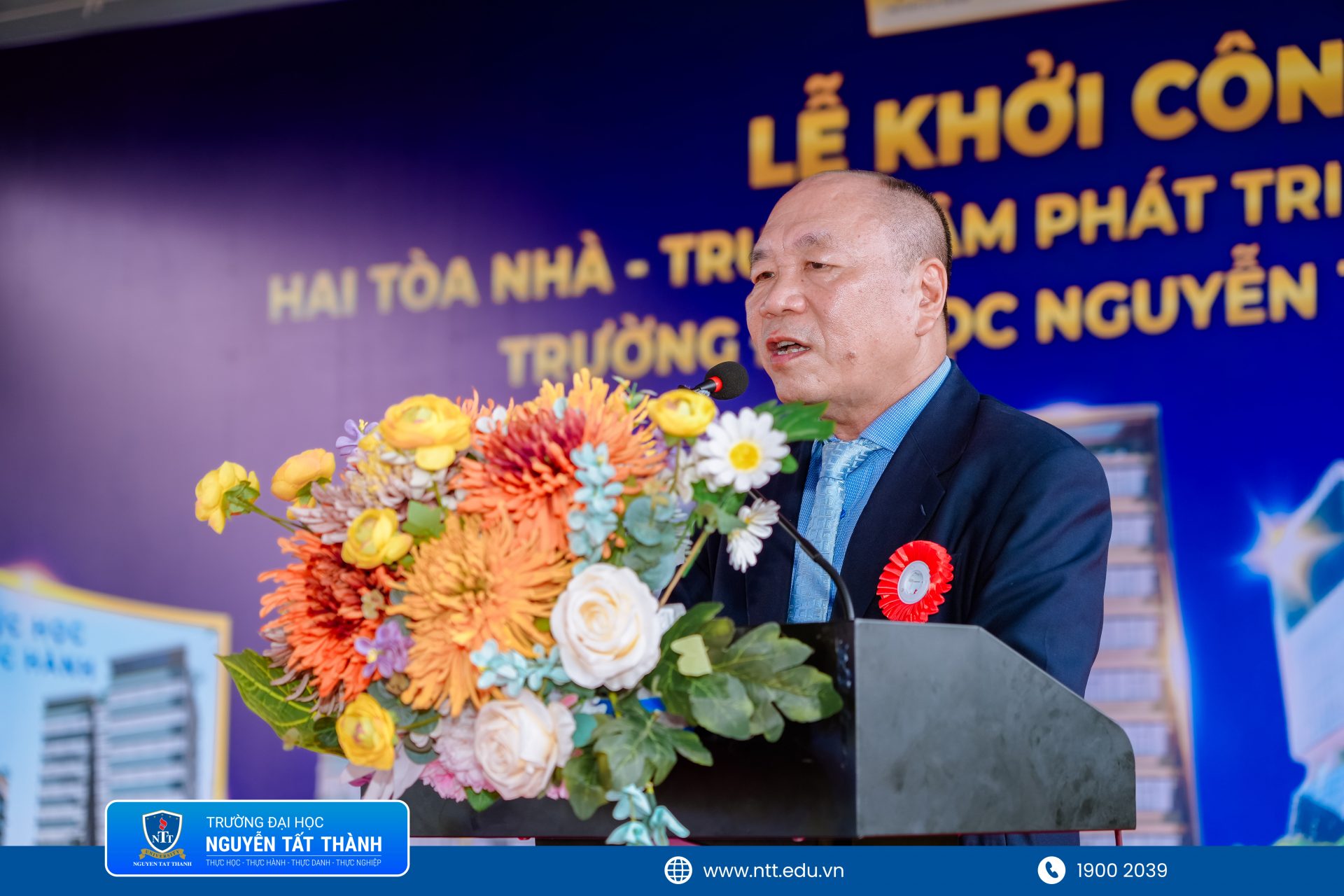
The two buildings of Nguyen Tat Thanh University’s High-Tech Development Center are being constructed by the TBC-136 Joint Venture
Saigon Construction Inspection Joint Stock Company No. 3, serving as the supervision consultant, committed to deploying a team of highly qualified engineers and specialists — operating with objectivity, transparency, and strict adherence to current technical standards and regulations.
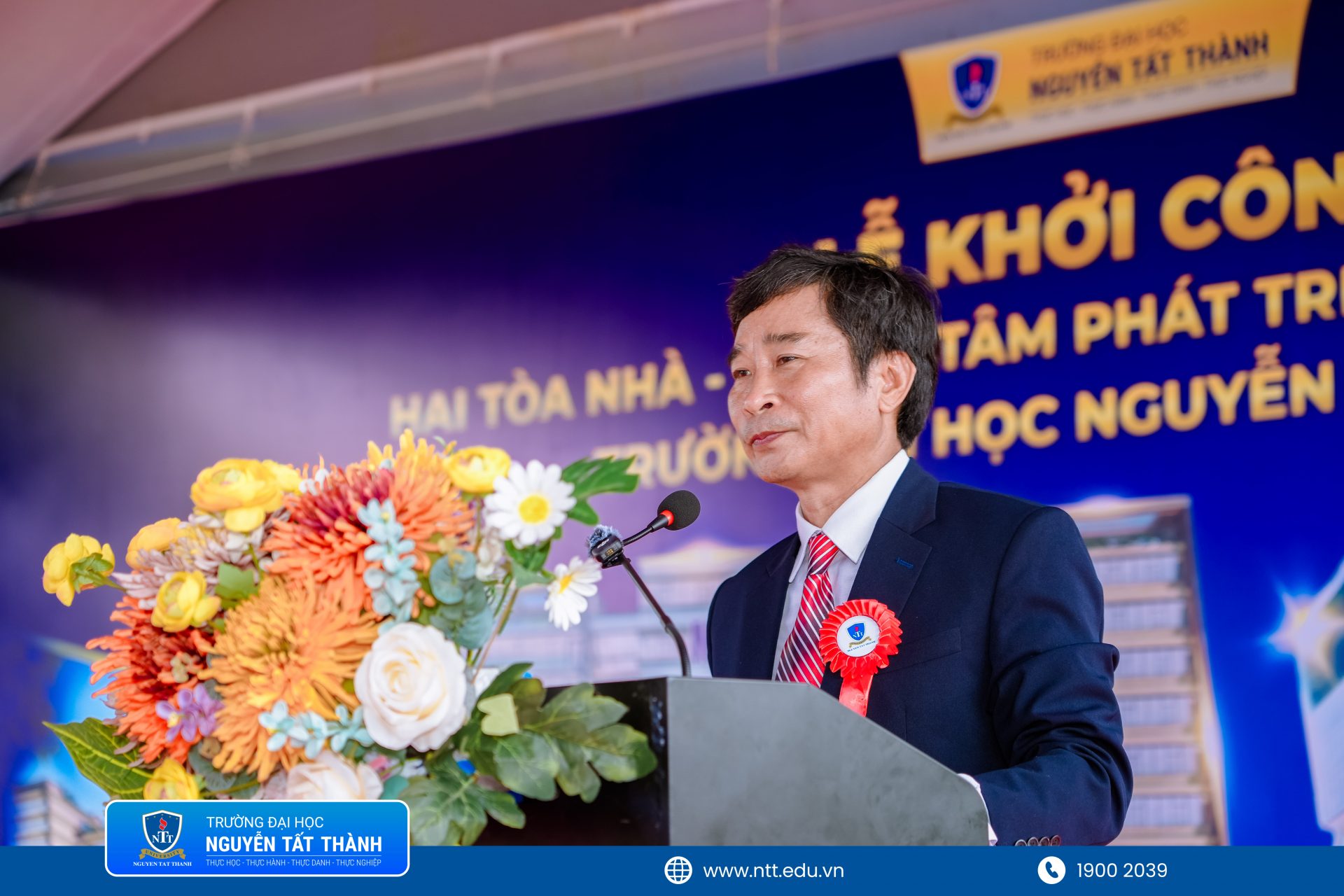
Mr. Cao Van Cuong, General Director of Saigon Construction Inspection Joint Stock Company No. 3, pledges to bring the company’s full expertise, experience, and highest sense of responsibility to the project’s supervision work
Building on a Strong Foundation
The High-Tech Development Center is one of three strategic flagship projects that Nguyen Tat Thanh University is investing in at Ho Chi Minh City High-Tech Park, with a combined investment value of tens of millions of USD. Since 2021, the University’s N1 Building has been in operation, serving as a hub for teaching, research, and technology transfer in key disciplines — connecting scientific research, enterprise collaboration, and innovation projects.
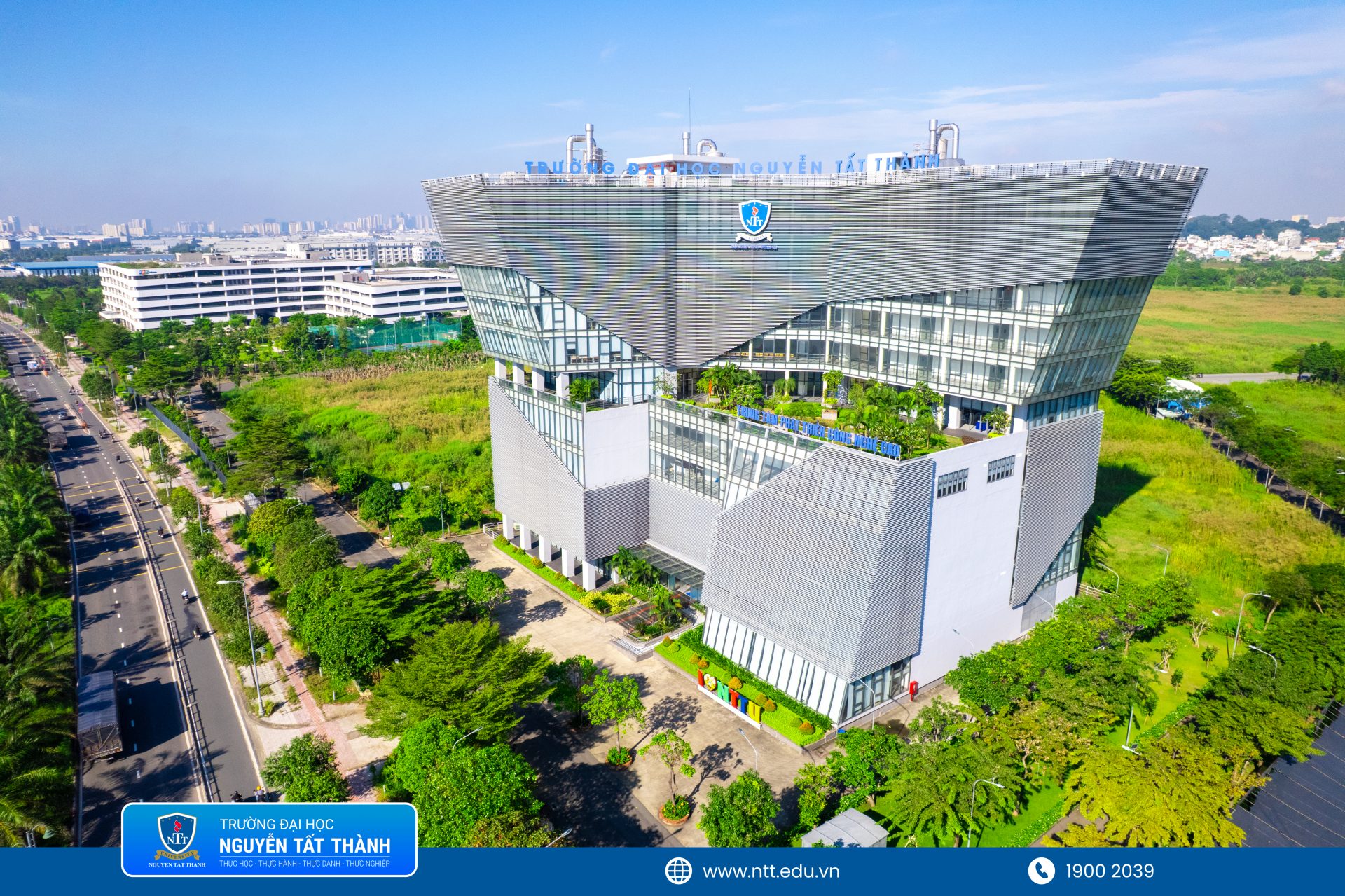
The construction of Global Hub and Innovation Hub reflects the University’s clear strategic vision and strong determination to expand its facilities, enhance educational quality, and build a modern learning environment. It also directly supports the goals outlined in the University’s Development Strategy 2026–2030 (with a vision to 2045), as well as Resolution No. 71-NQ/TW of the Politburo on breakthrough development in education and training.
Beyond completing the University’s education–research–technology ecosystem, the project creates new opportunities for faculty and students to strengthen foreign language skills, research capacity, and an internationally minded approach — all in a modern environment aligned with global development trends. It is also a vital foundation for the University to continue improving educational quality, meeting the increasingly diverse needs of learners, and responding to real-world demands for research and technology application in professional practice.
Translated by: M.A Tu Anh
Photos: Media