
International Experts Share Strategies for Implementing EMI at Nguyen Tat Thanh University
NTTU – More than 300 experts, faculty members, and students gathered at Nguyen Tat Thanh University (NTTU) on May 25 for the International Seminar on “English-Medium Instruction (EMI) in Higher Education: Practices and Solutions.” Co-organized by NTTU and the University of Adelaide (Australia), the event was held at NTTU’s High-Tech Development Center and served as a dynamic academic forum to advance English-language learning, strengthen international academic connections, and promote the internationalization of higher education in Vietnam.
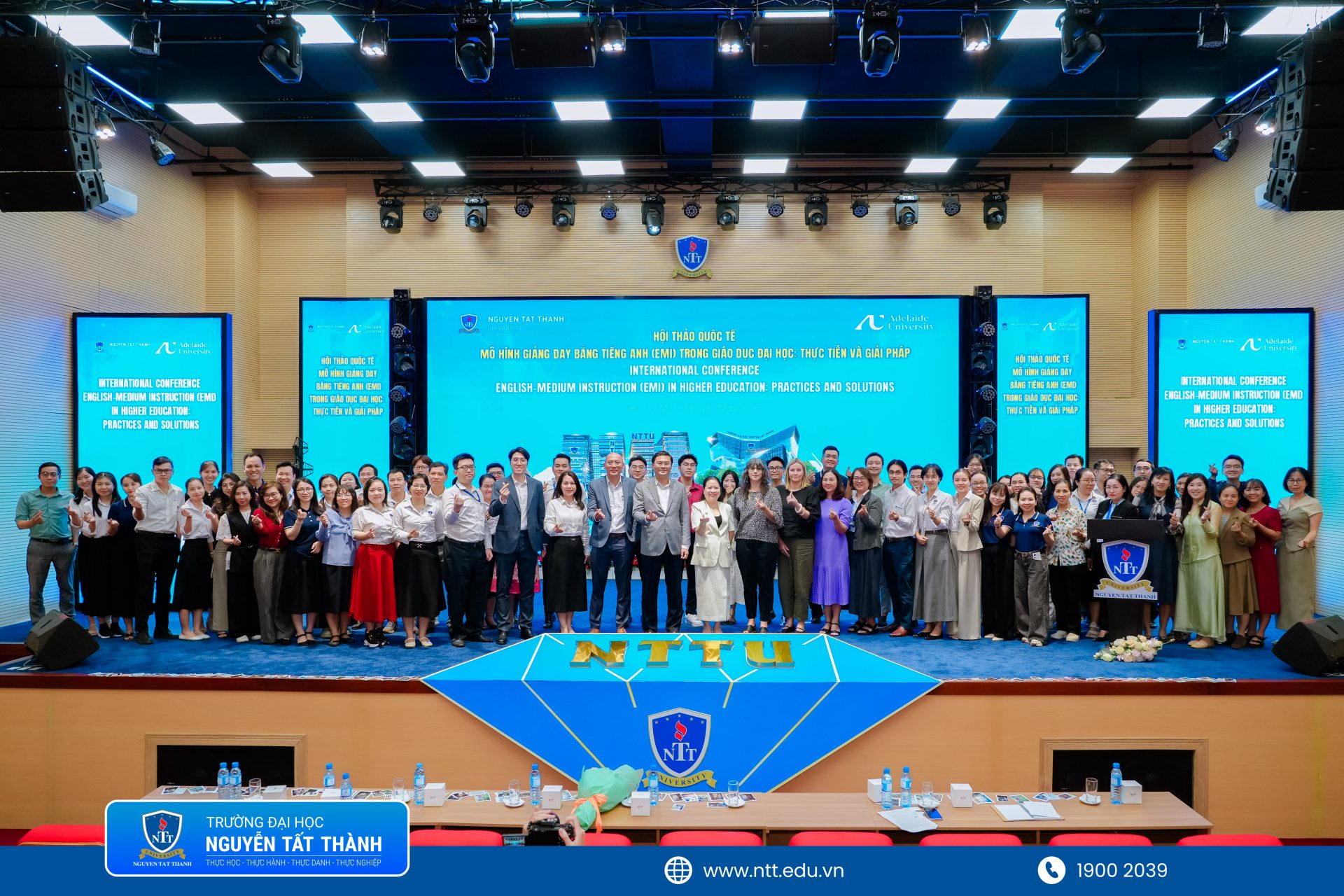
The seminar brought together distinguished guests including Dr. Dang Van Huan, Deputy Director of the Department of Higher Education at the Ministry of Education and Training; Mr. Simon Futo, Director of the English Language Centre and International Programs at the University of Adelaide; along with international experts Shona Elizabeth Grant and Kathy Watson. Faculty members from universities across Ho Chi Minh City also attended in large numbers.
Representing Nguyen Tat Thanh University were Dr. Phan Thi Viet Nam, Vice Rector; Dr. Huynh Tan, Director of the Language Centre; and heads of departments, academic staff, and students from faculties and institutes across the university.
International Experts Present Modern EMI Teaching Approaches
Speaking on behalf of the Ministry of Education and Training, Dr. Dang Van Huan emphasized that as Vietnam deepens its global integration and advances its knowledge economy, strengthening English proficiency in higher education has become both an urgent priority and a strategic imperative. English proficiency, he noted, is a key enabler for accessing international knowledge, driving innovation, and enhancing the global competitiveness of Vietnam’s workforce. Universities nationwide have already moved to expand English-taught programs and build faculty capacity, while teacher training institutions have been revising their curricula to better prepare educators at all levels for English-medium teaching.
“This seminar will help faculty design lessons, provide academic language support to students, and adapt subject-specific teaching methods in English — ultimately improving the quality of instruction across disciplines,” Dr. Dang Van Huan stated.
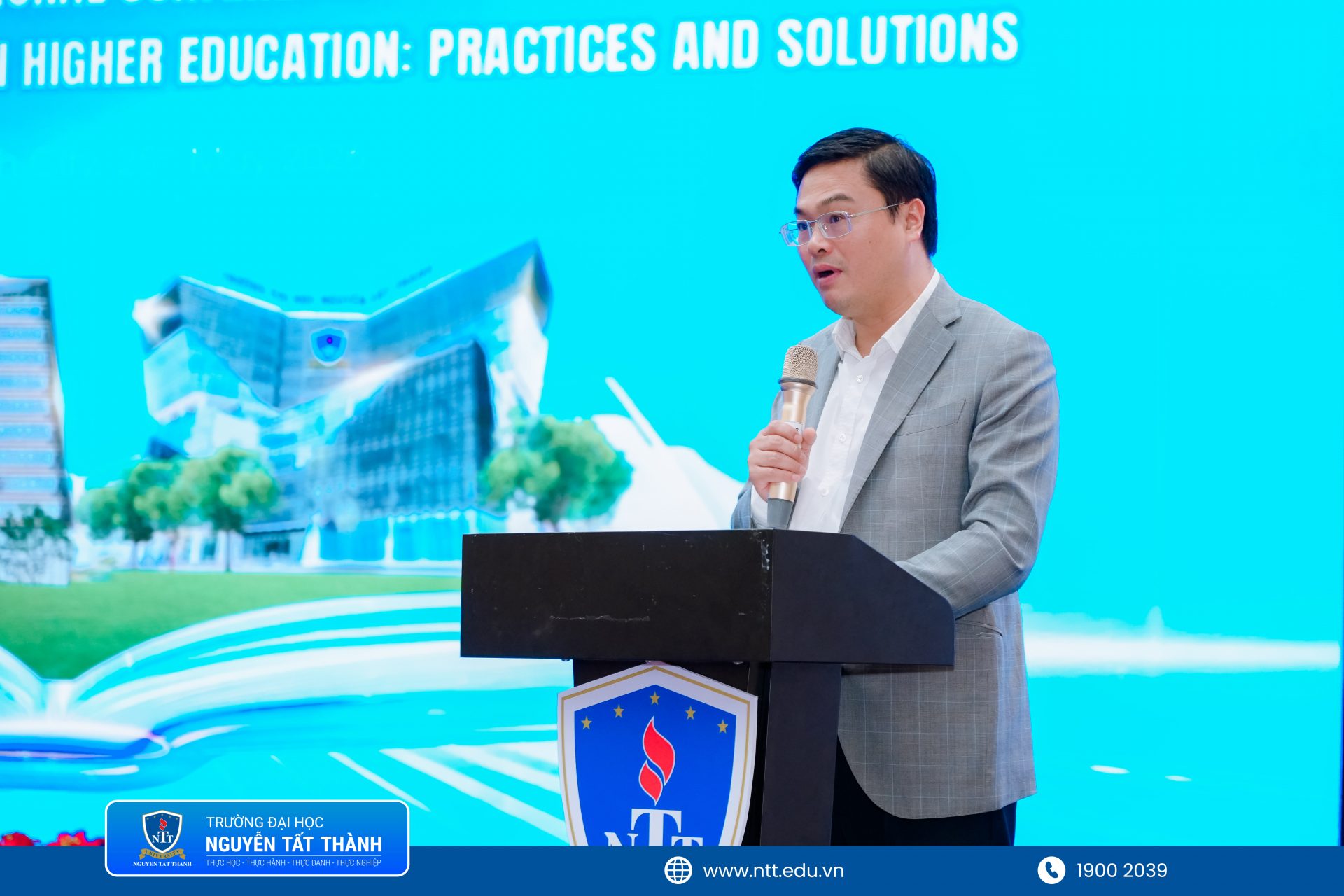
Dr. Dang Van Huan, Deputy Director of the Department of Higher Education, addresses attendees on the importance of making English the second language of instruction in line with Resolution 71-NQ/TW
In her opening remarks, Vice President Dr. Phan Thi Viet Nam noted that EMI’s core challenge goes beyond switching the language of instruction — it demands a comprehensive redesign of lesson structure, academic language support, and pedagogy within multilingual environments. She expressed her hope that the seminar would help move NTTU toward making English its second language of academic life, in line with Resolution 71-NQ/TW.
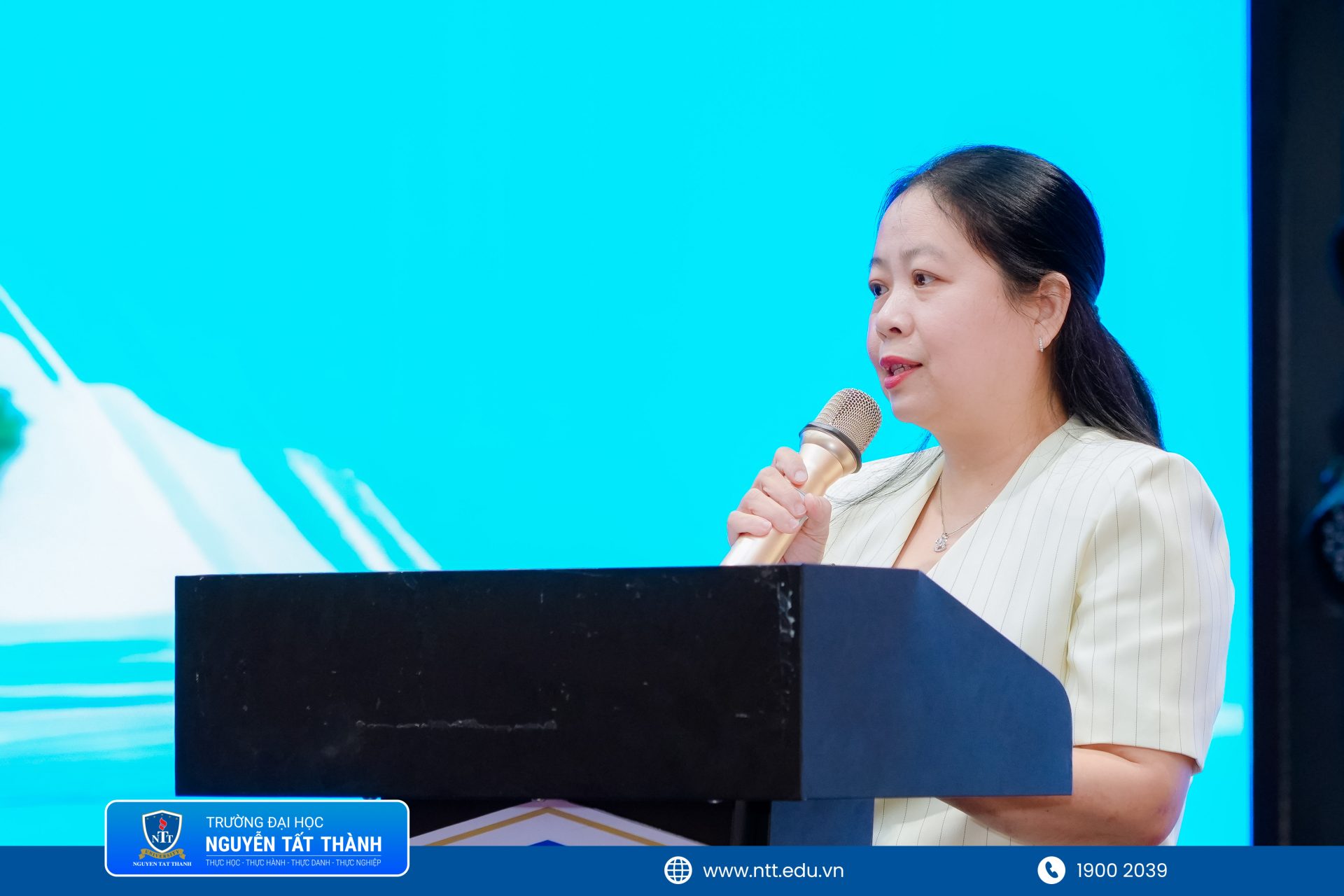
Dr. Phan Thi Viet Nam, Vice President of NTTU, delivers the opening address at the seminar
A standout feature of the seminar was the Empathy in Teaching approach, where faculty stepped into the learner’s role during simulated classroom activities. The exercise helped instructors experience firsthand the linguistic and psychological challenges students face in English-medium settings, encouraging a more empathetic and student-centered teaching style.
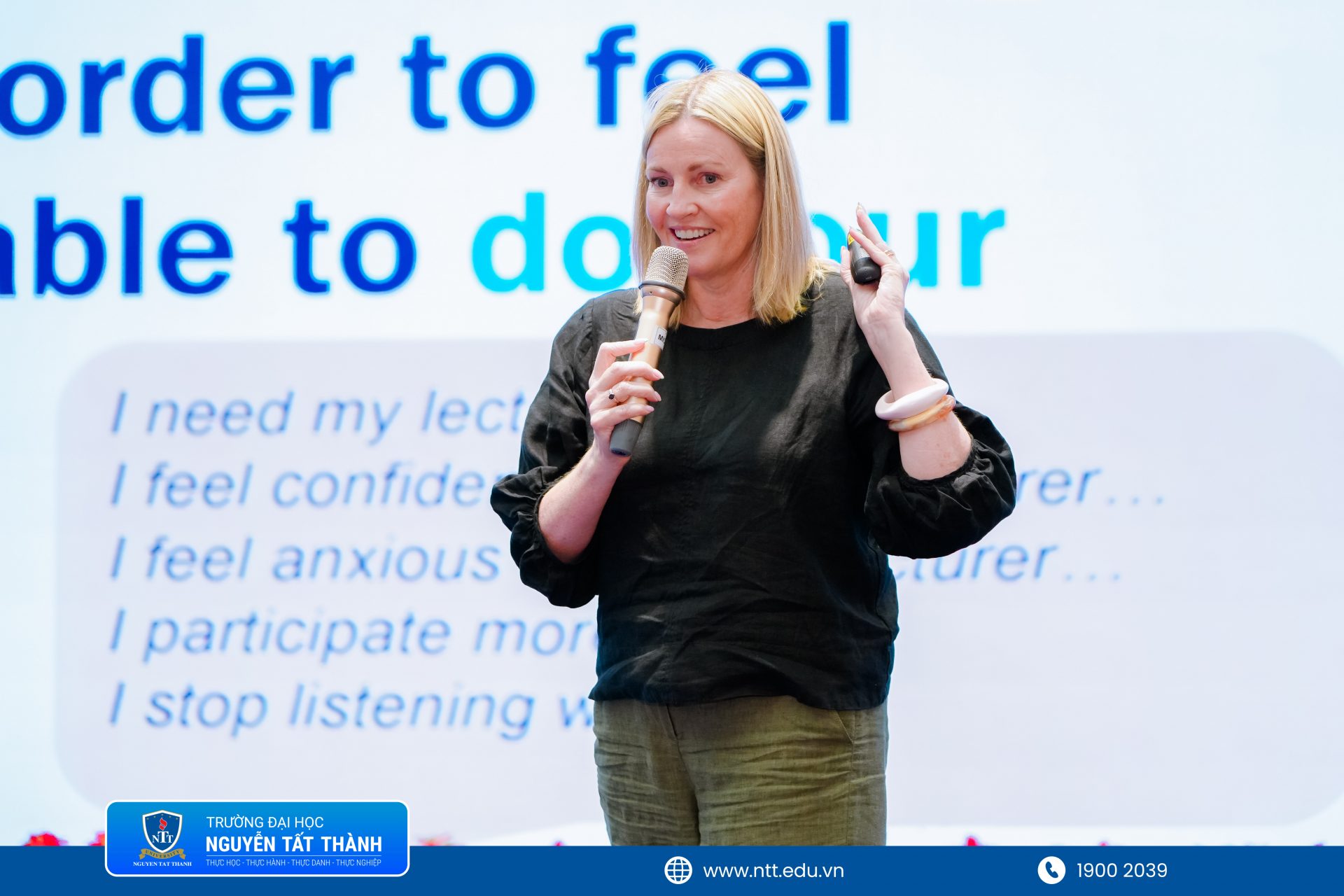
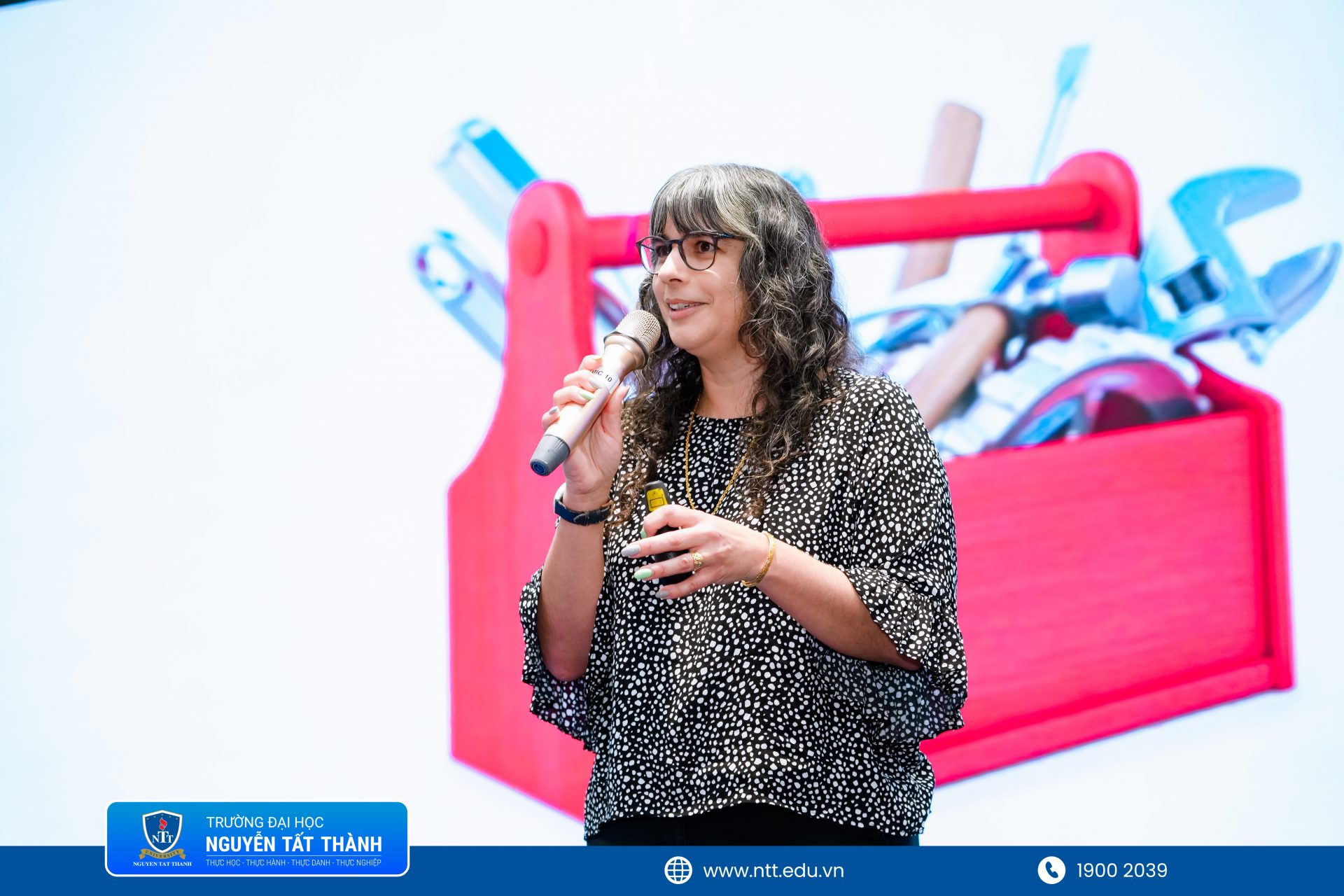
Experts Shona Elizabeth Grant (left) and Kathy Watson (right) present contemporary and practical approaches to English-medium instruction
Experts also introduced interactive classroom techniques such as Concept Checking Questions, structured discussion facilitation, and two-way feedback strategies. During the panel discussion, topics ranged from students’ English entry levels and faculty readiness, to curriculum development and building a bilingual academic ecosystem suited to Vietnam’s higher education context.
Students Explore English Learning Methods for the Digital Age
The seminar also dedicated significant attention to students, offering new perspectives on learning English in the context of digital transformation and global integration.
Mr. Simon Futo, Director of the English Language Centre and International Programs at the University of Adelaide, shared insights into the university’s English-medium learning model. He described how Adelaide students engage in interactive, practice-oriented English learning from the very start of their courses. Lecturers regularly use techniques such as comprehension checks, group discussions, debate, and student-centered activities to build practical academic English use in real learning contexts.
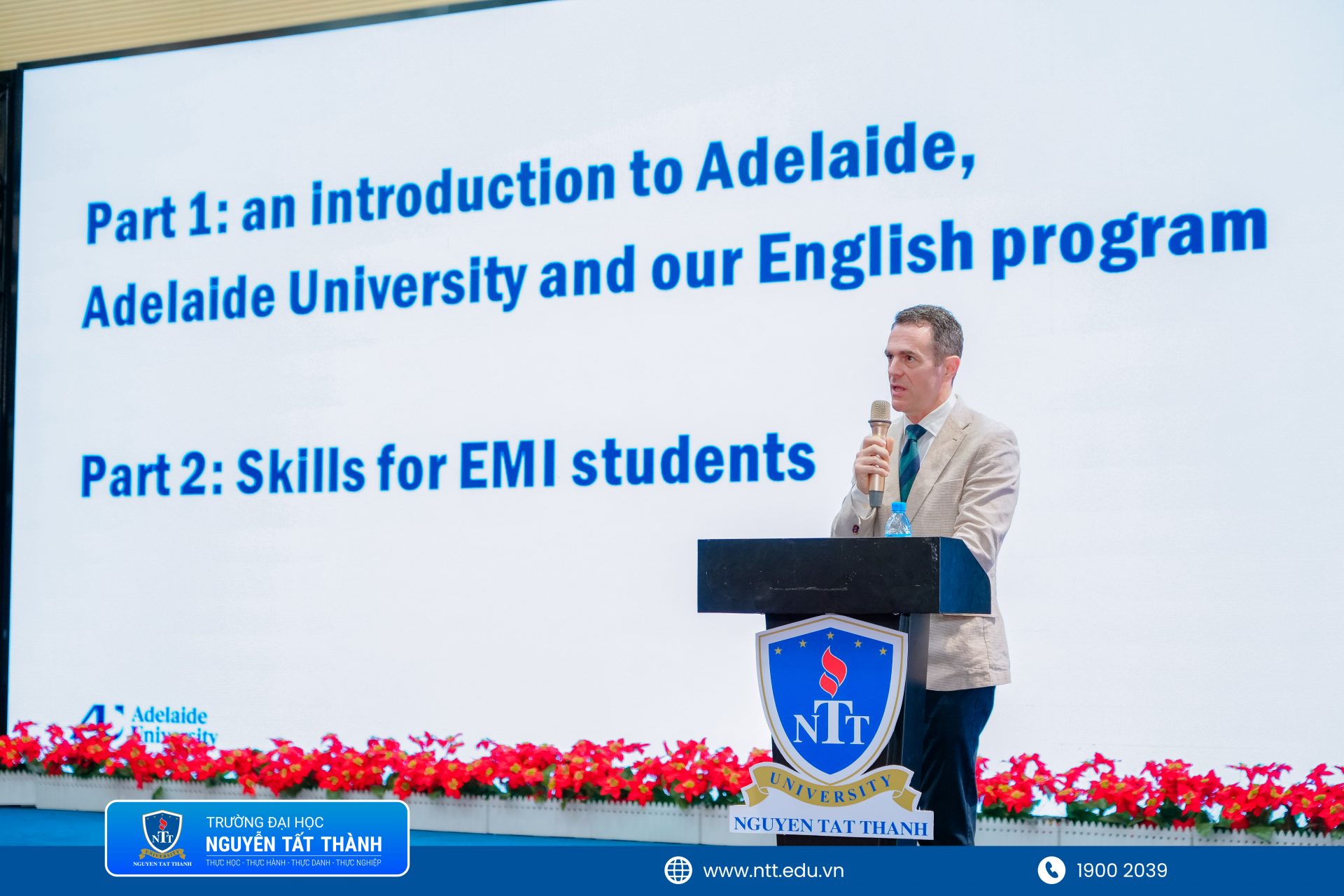
Mr. Simon Futo, Director of the English Language Centre and International Programs at the University of Adelaide, presents the university’s English learning methodologies
NTTU students spoke openly about the challenges they face — particularly around conversational fluency, academic vocabulary, and discipline-specific English use. The experts responded with practical advice on building daily English habits, using digital platforms effectively, and taking a proactive approach to participation and communication.
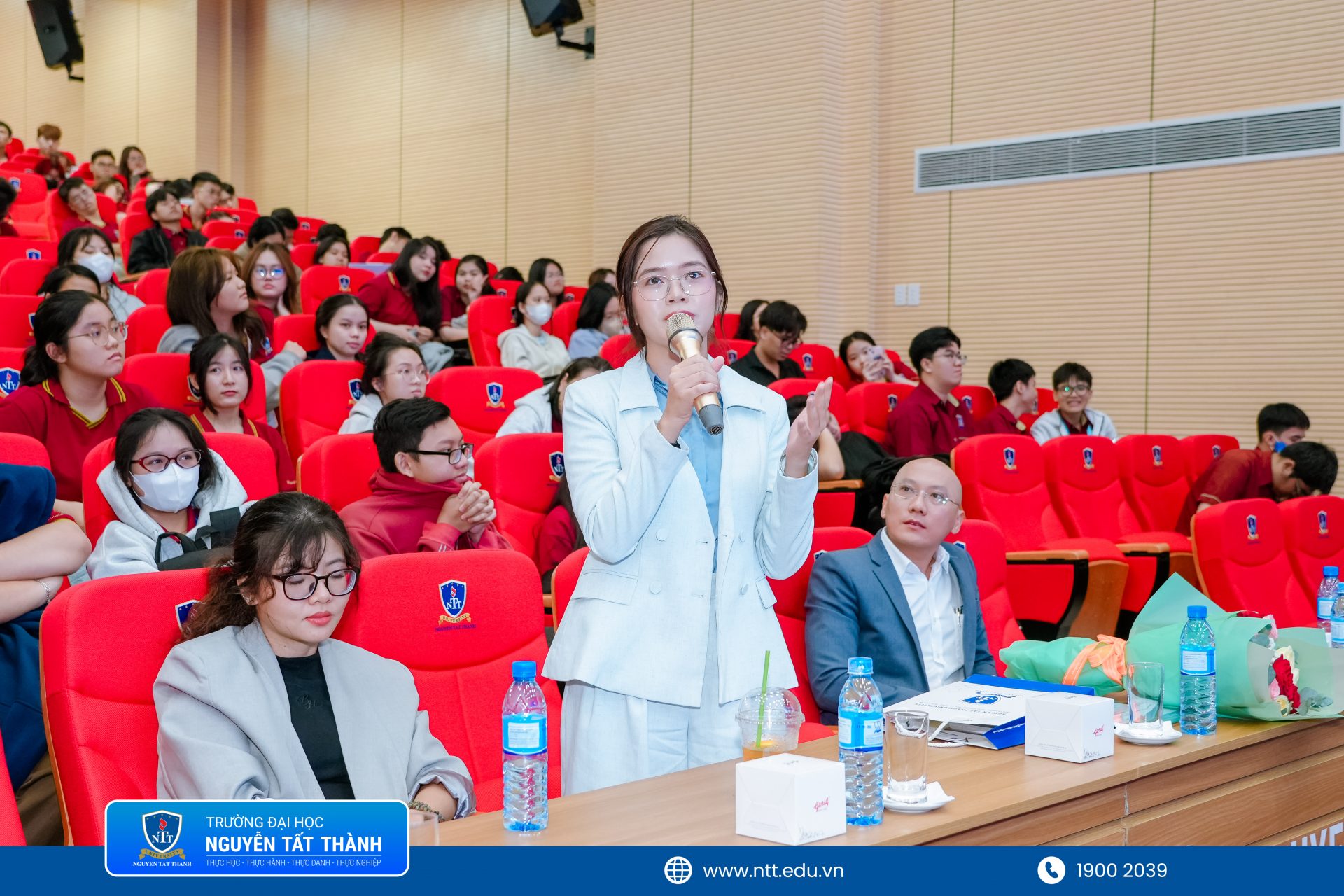
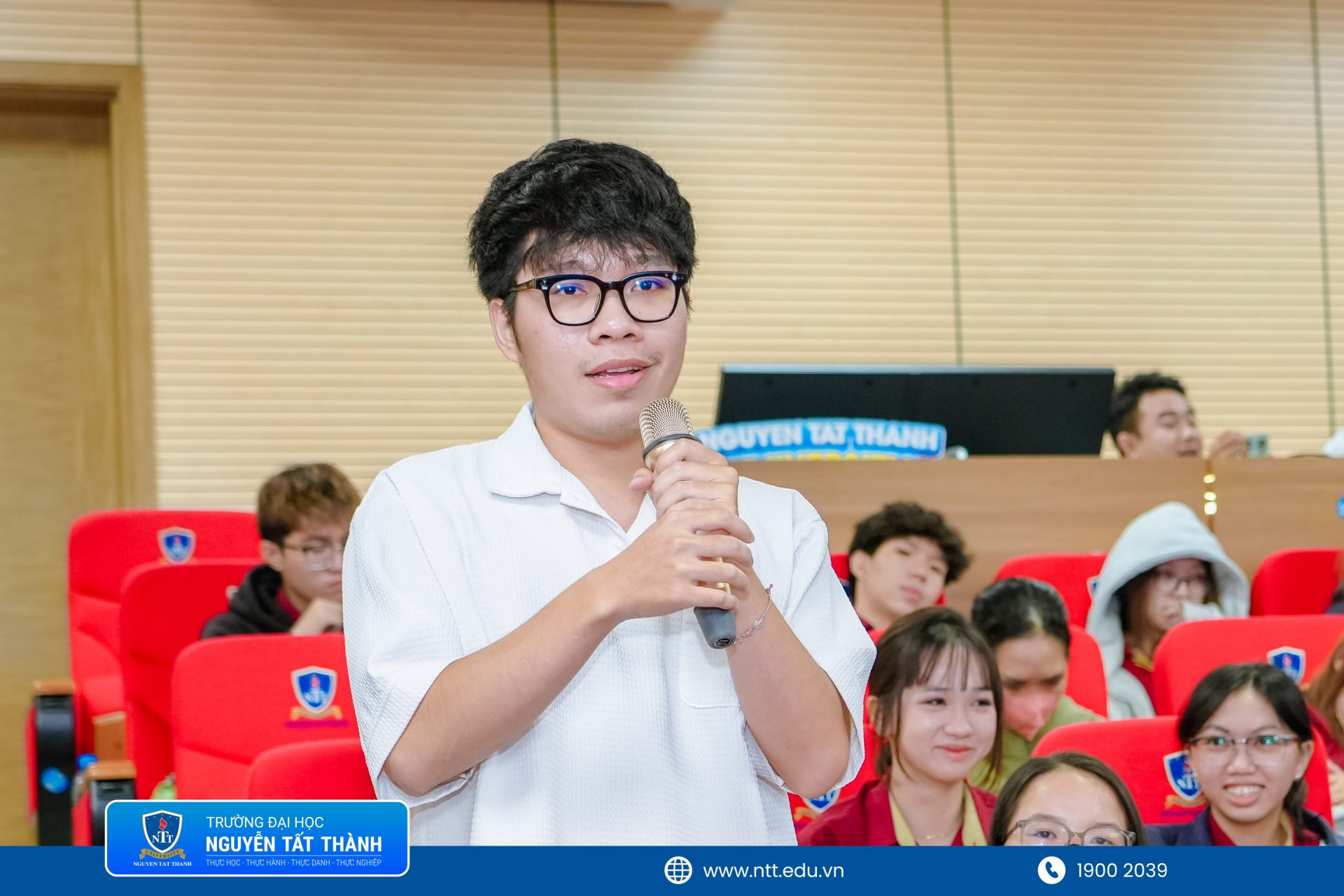
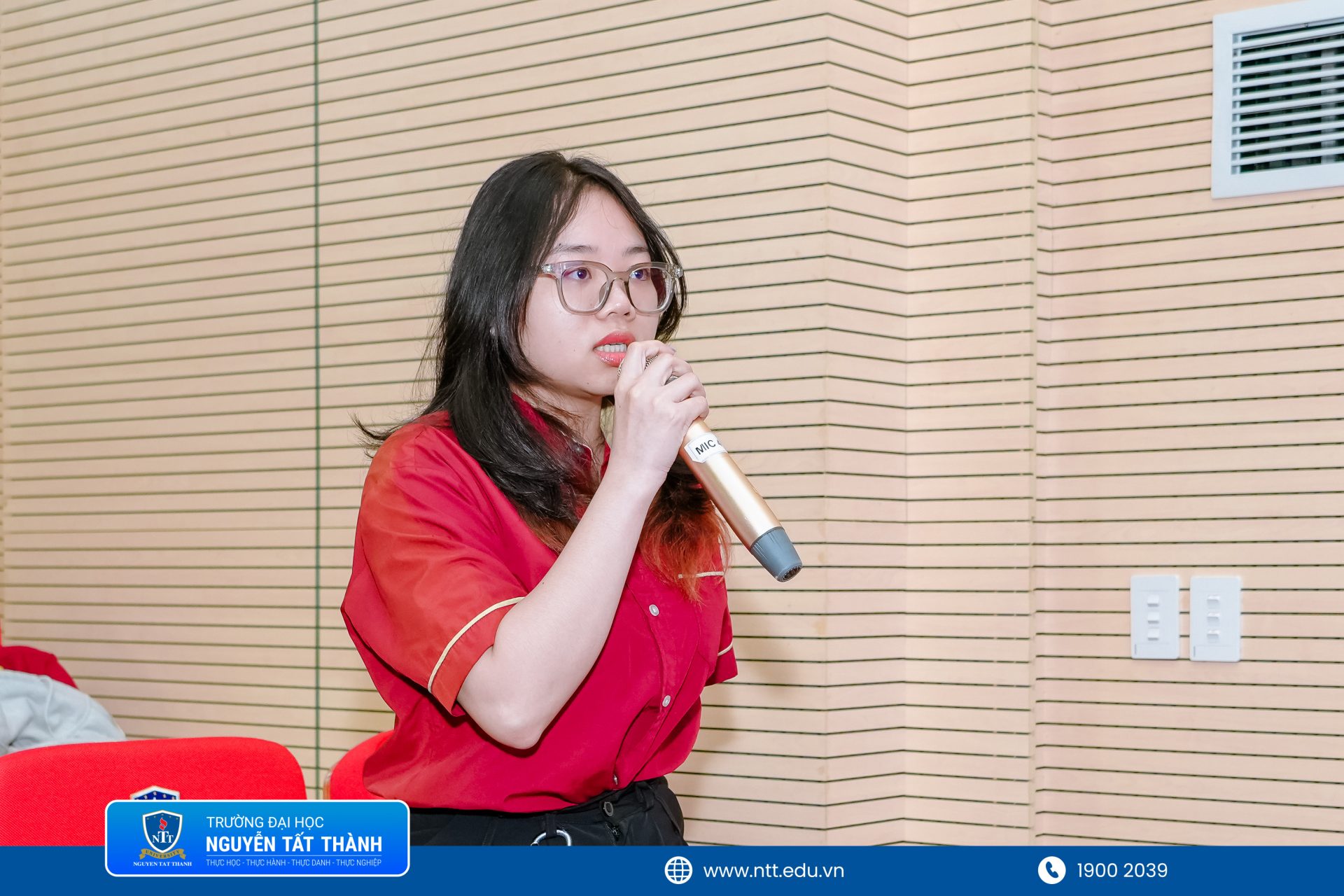
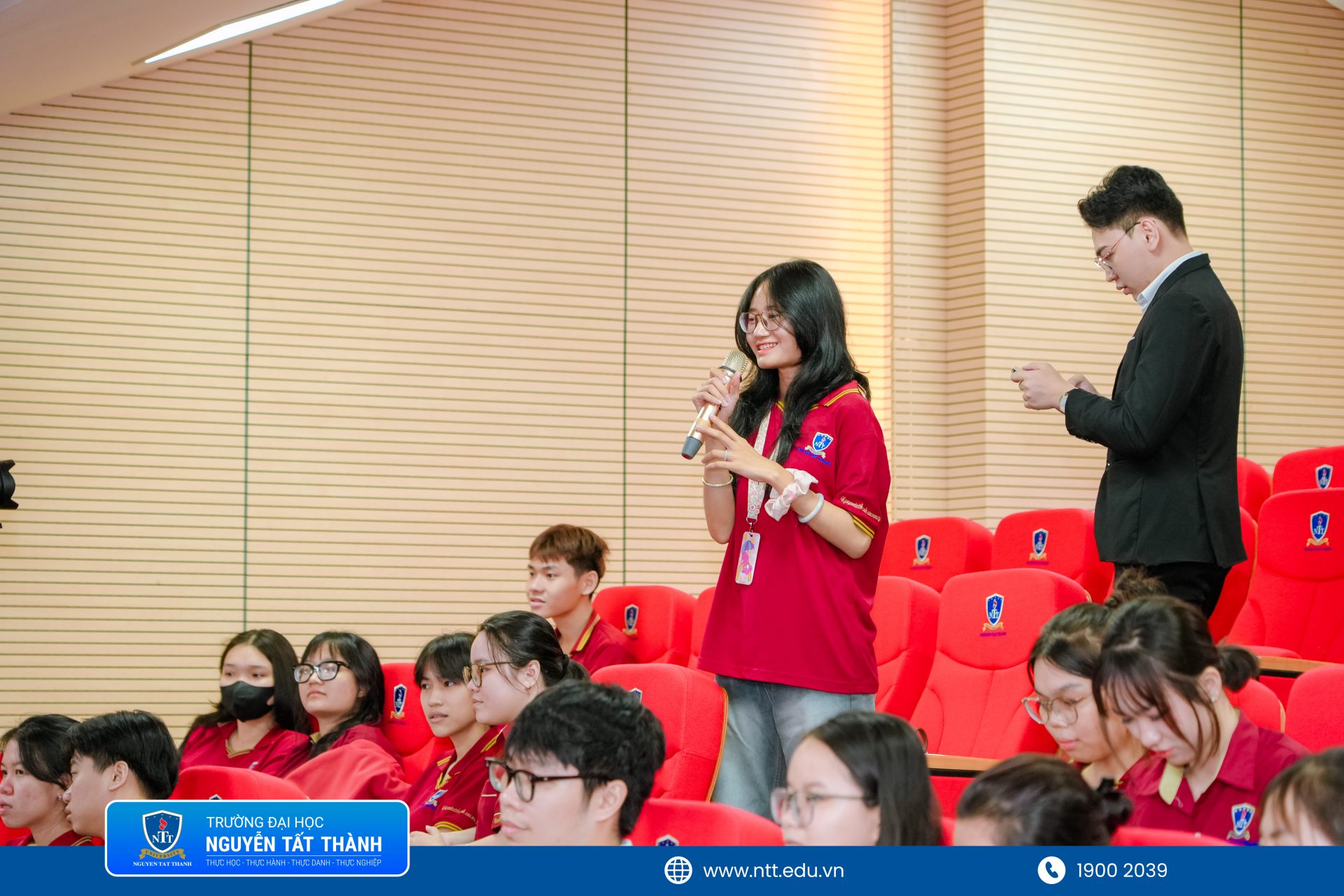
NTTU students engage in an open discussion with international experts about their experiences and challenges learning English
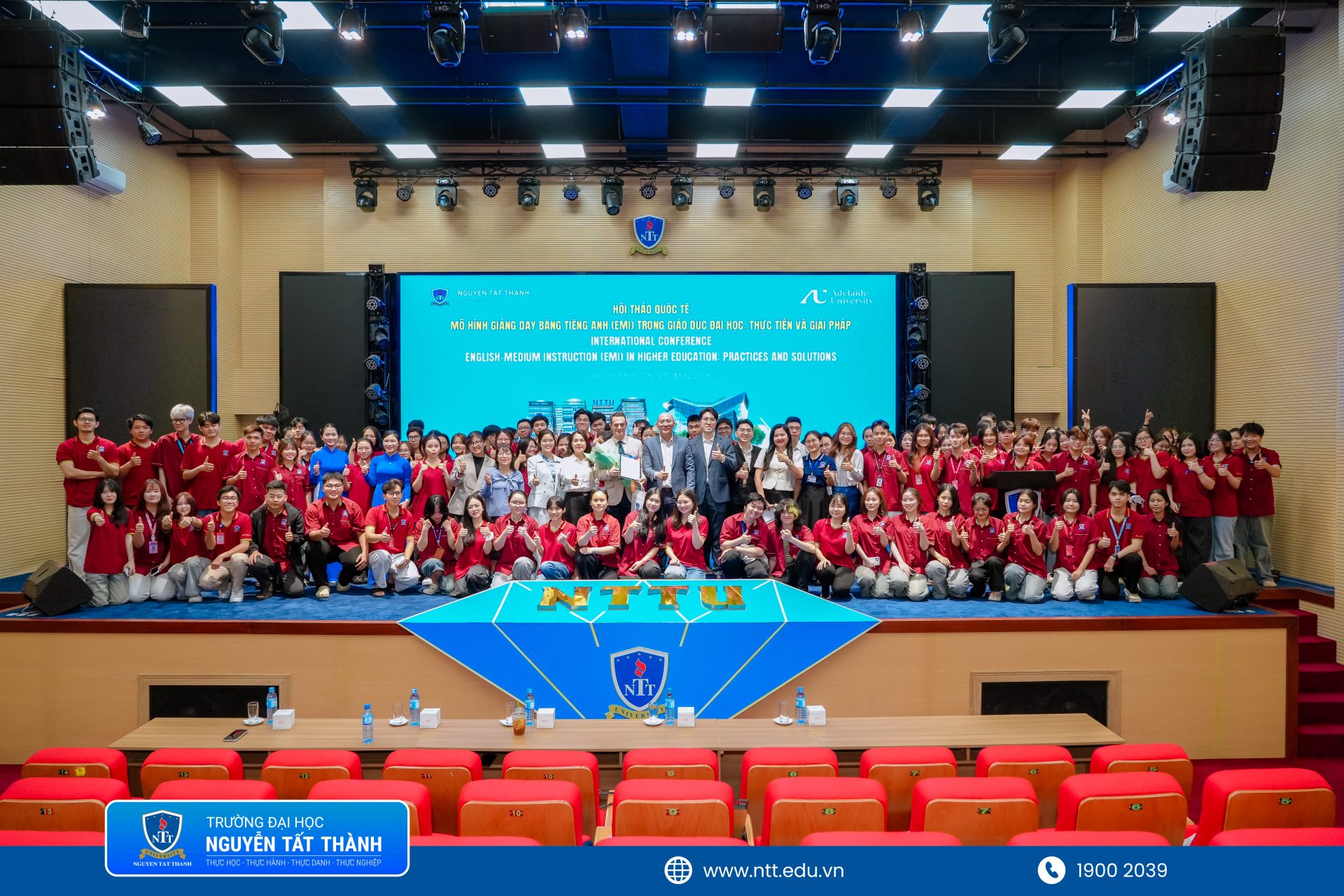
More than 200 NTTU students joined international experts in an open discussion on effective English learning strategies
As global education integration accelerates, establishing English as a second language of instruction in universities is increasingly recognized as essential to improving educational quality and the international competitiveness of graduates. In alignment with this direction and with the principles set out in Resolution 71-NQ/TW, Nguyen Tat Thanh University is taking proactive steps to build a university-wide English learning and academic environment.
Beyond expanding the number of English-taught subject modules, the university is committed to strengthening English proficiency among both faculty and students, developing digital learning resources, integrating technology and artificial intelligence into teaching and learning, and deepening partnerships with international universities and educational organizations. Together, these initiatives form the foundation for NTTU’s vision of a modern, multilingual, and internationally integrated university – one that equips graduates to thrive in the global workforce of the future.
Translated by: M.A Tu Anh
Photos: Media