
Advancing Global Integration: The Strategic Academic Partnership between Nguyen Tat Thanh University and Chulalongkorn University
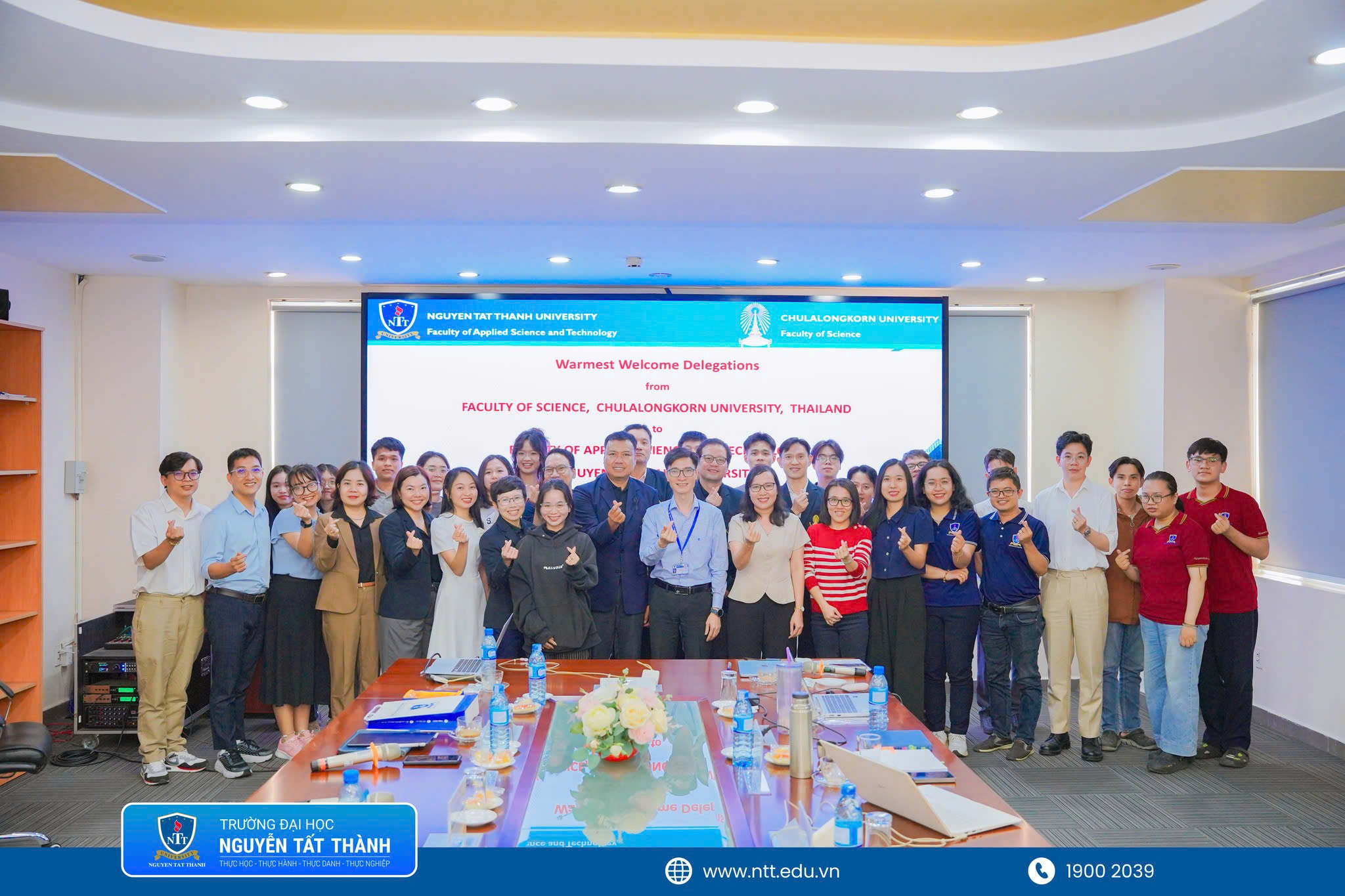
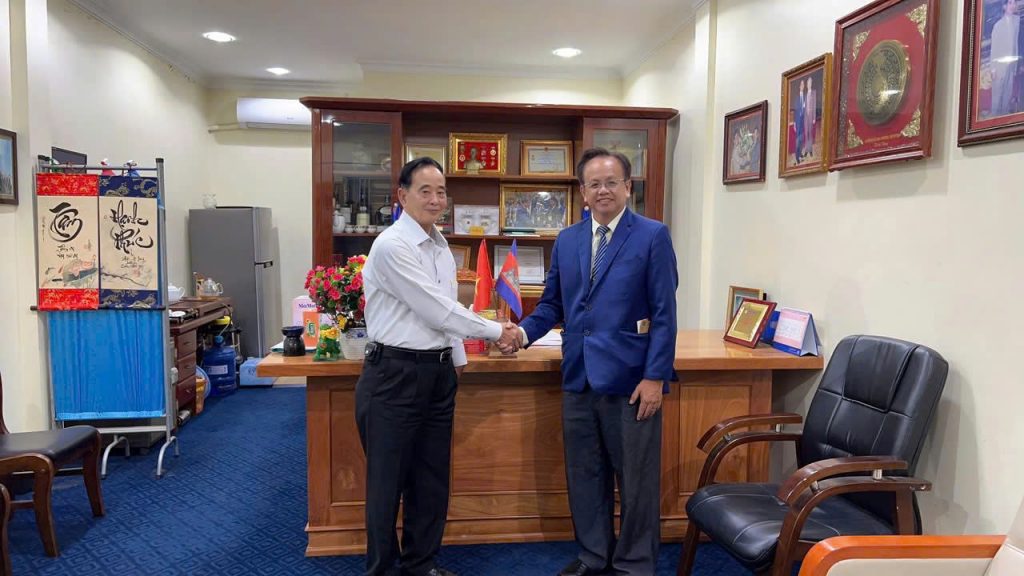
In the modern era of higher education, internationalization has evolved from a secondary objective into a fundamental strategy for academic excellence. In order to catch up with this trend, the Faculty of Applied Sciences and Technology at Nguyen Tat Thanh University (NTTU) and the Faculty of Science at Chulalongkorn University, Thailand has established an academic and research collaboration program. This partnership represents a significant milestone in NTTU’s mission to align its educational standards with global benchmarks while fostering a culture of high-level scientific inquiry. By connecting with one of Asia’s most prestigious institutions, NTTU is actively creating a bridge for its academic community to reach the forefront of international science.
The collaboration is rooted in a shared vision for academic growth and professional development. As emphasized by Assoc. Prof. Dr. Dinh Van Phuc, Dean of the Faculty and Director of the Interdisciplinary Science Institute, NTTU views international cooperation as a vital pillar for enhancing training quality and research capacity. This partnership allows faculty, researchers, and students to access world-class facilities, modern laboratory systems, and prestigious postgraduate opportunities. It transforms the university into a more competitive environment, ensuring that the staff and students are not merely observers of global trends but active participants in the international scholarly community.
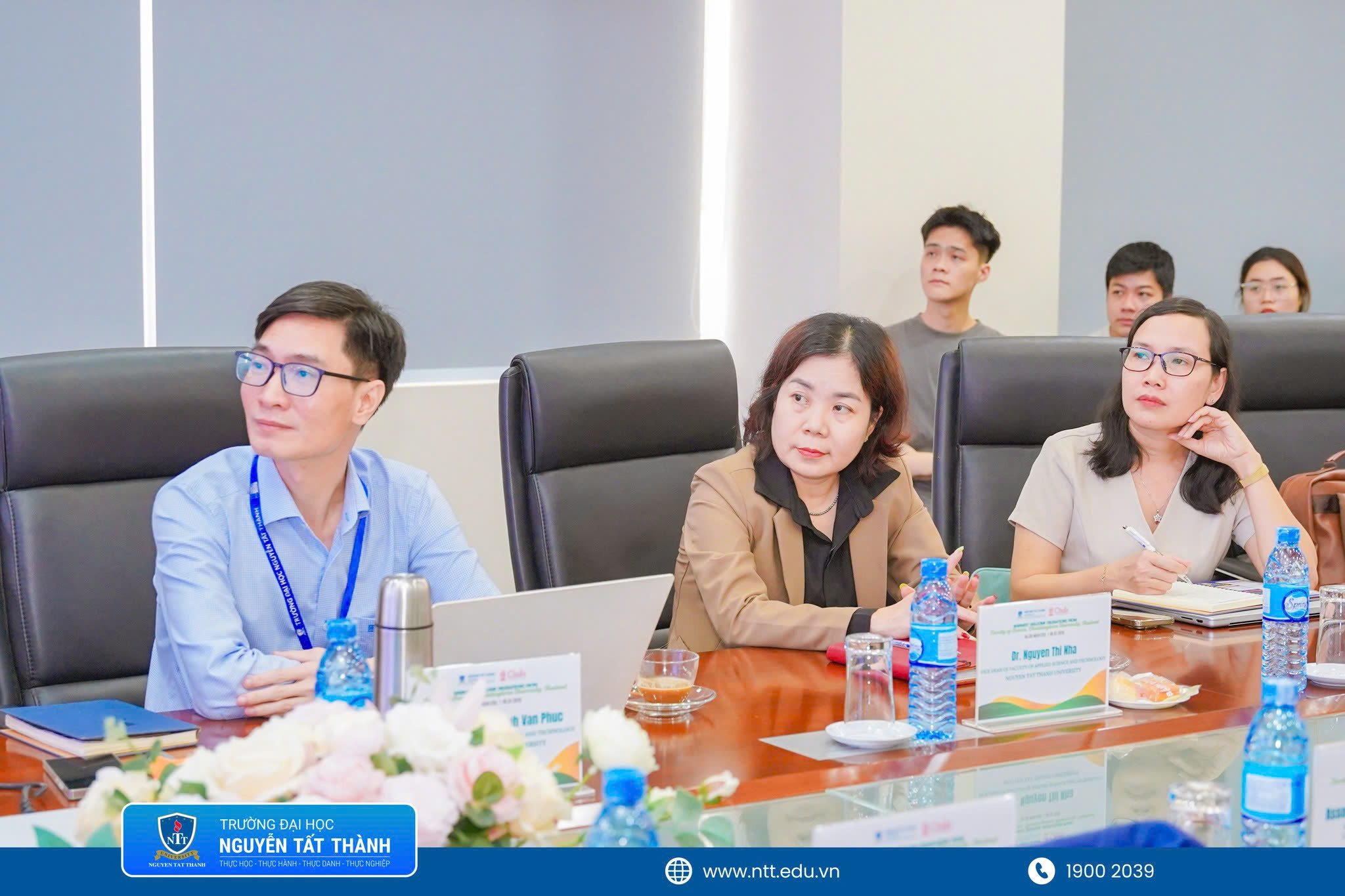
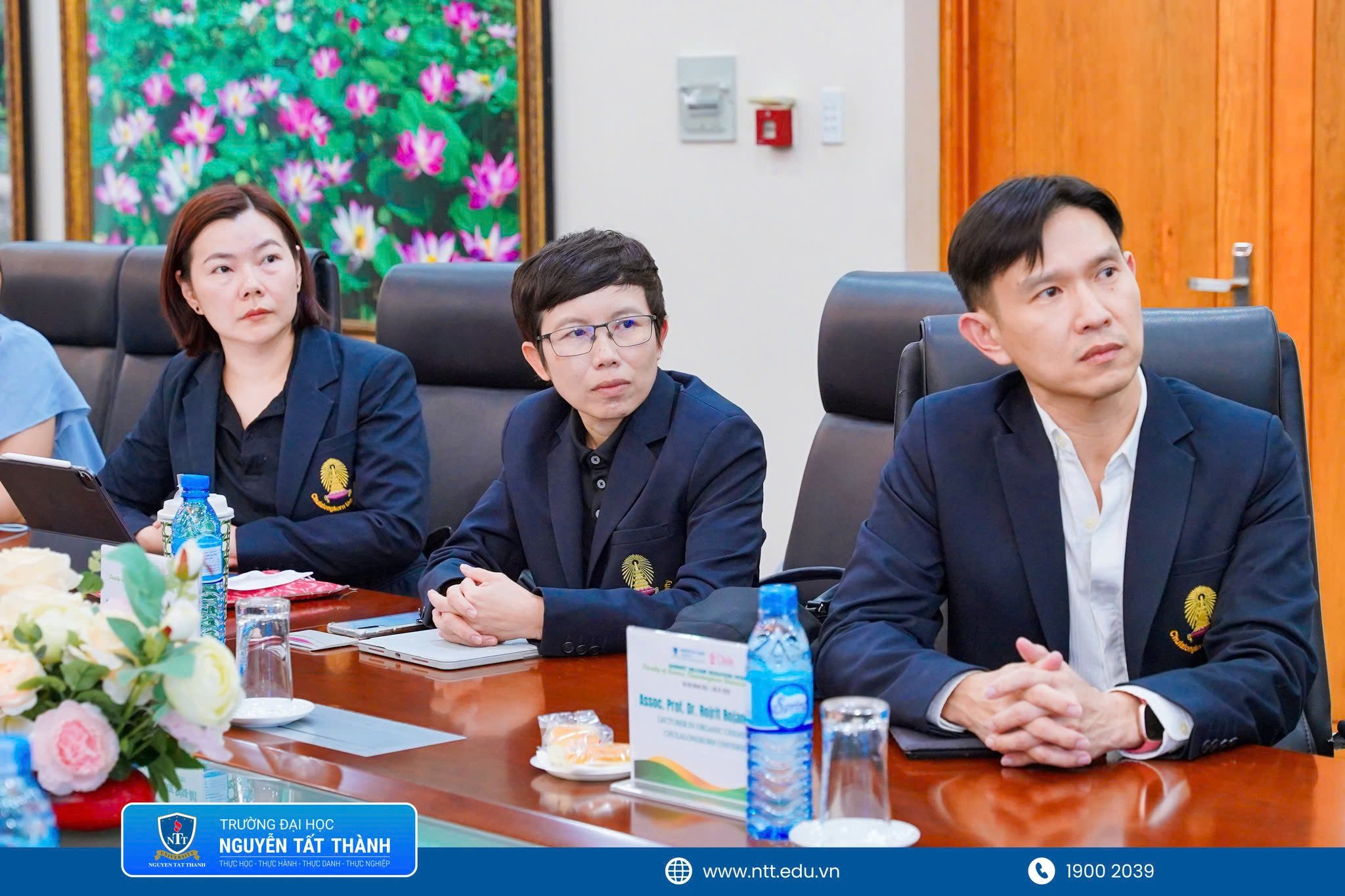
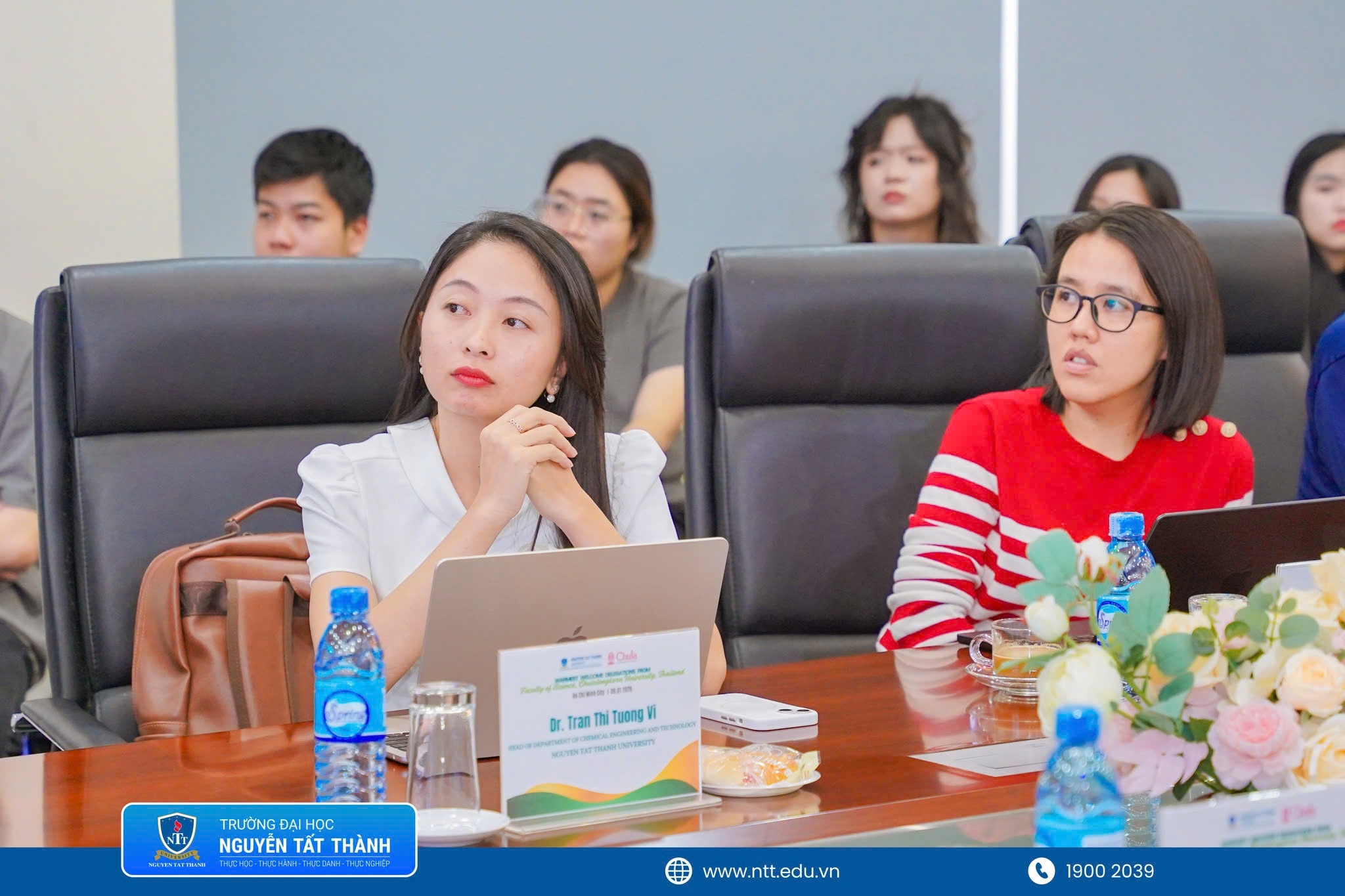
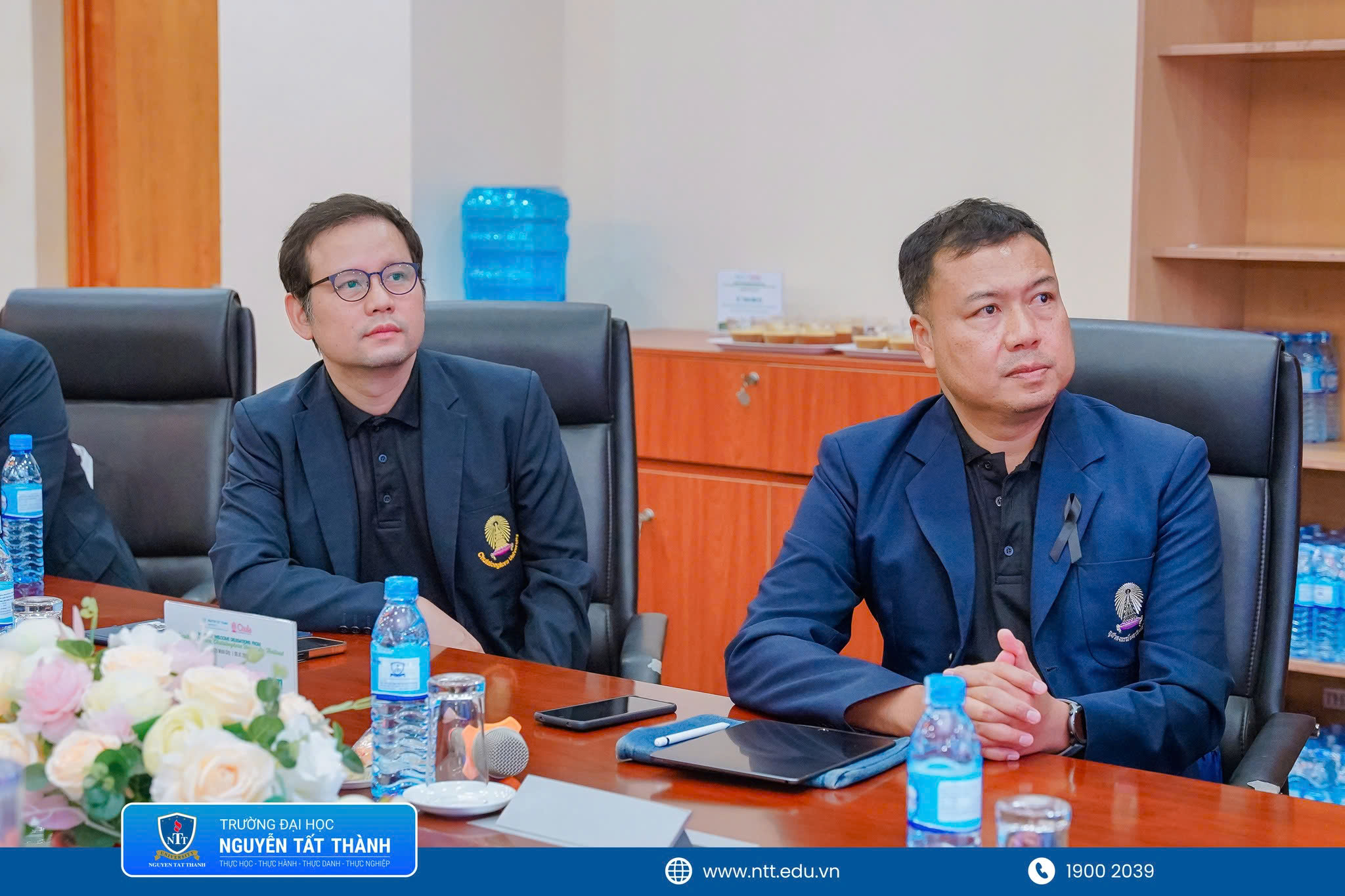
Central to this exchange was an intensive focus on specialized scientific disciplines, specifically Inorganic, Organic, Physical, and Analytical Chemistry. These fields represent the core research strengths of both institutions and serve as the foundation for modern technological advancement. During the technical sessions, scholars from both sides engaged in an open dialogue to identify interdisciplinary research directions that are both academically rigorous and highly applicable to real-world challenges. By focusing on studies linked to sustainable development and practical industrial needs, the two universities ensure that their scientific output contributes meaningfully to the socio-economic progress of the region.
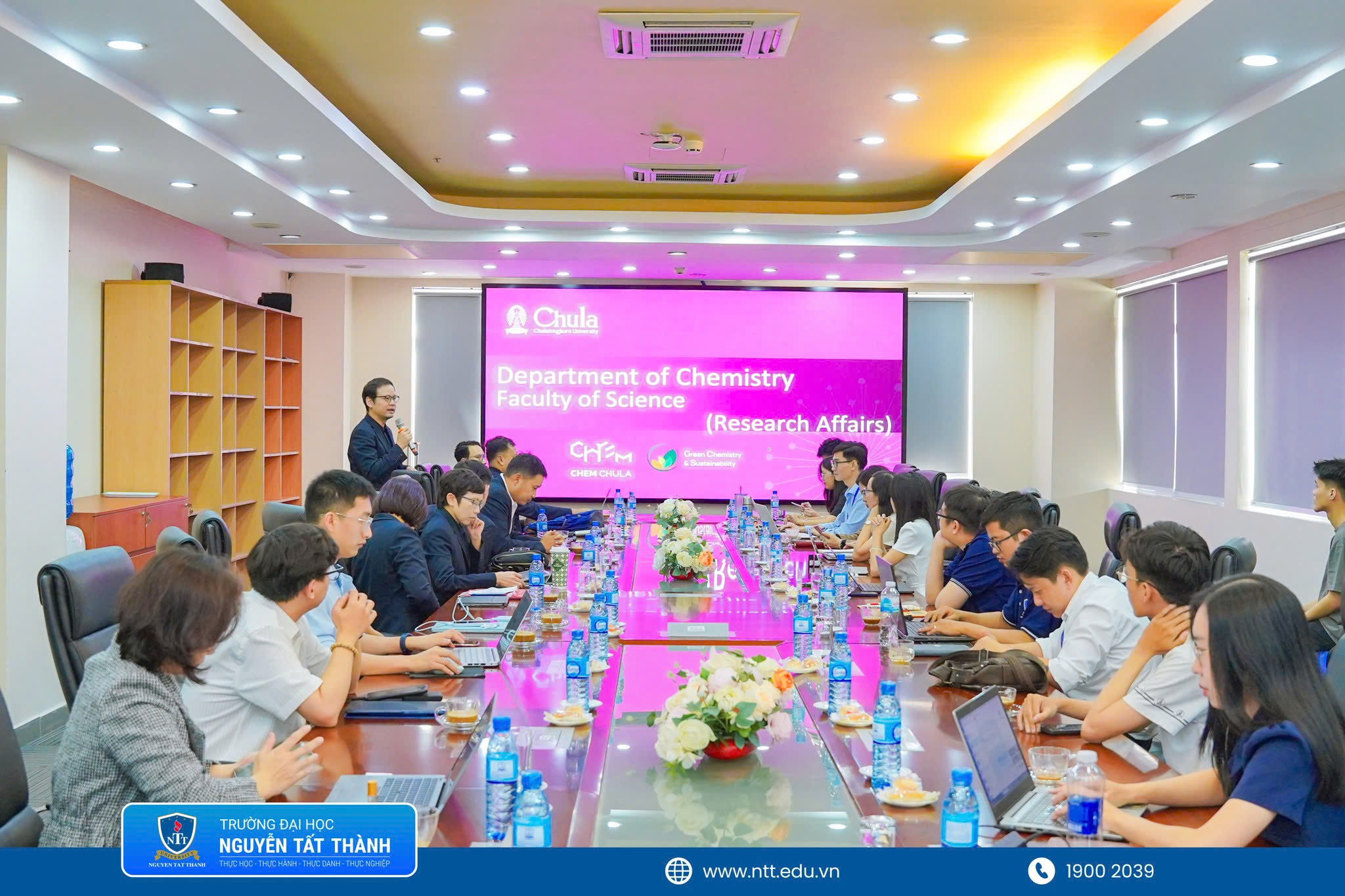
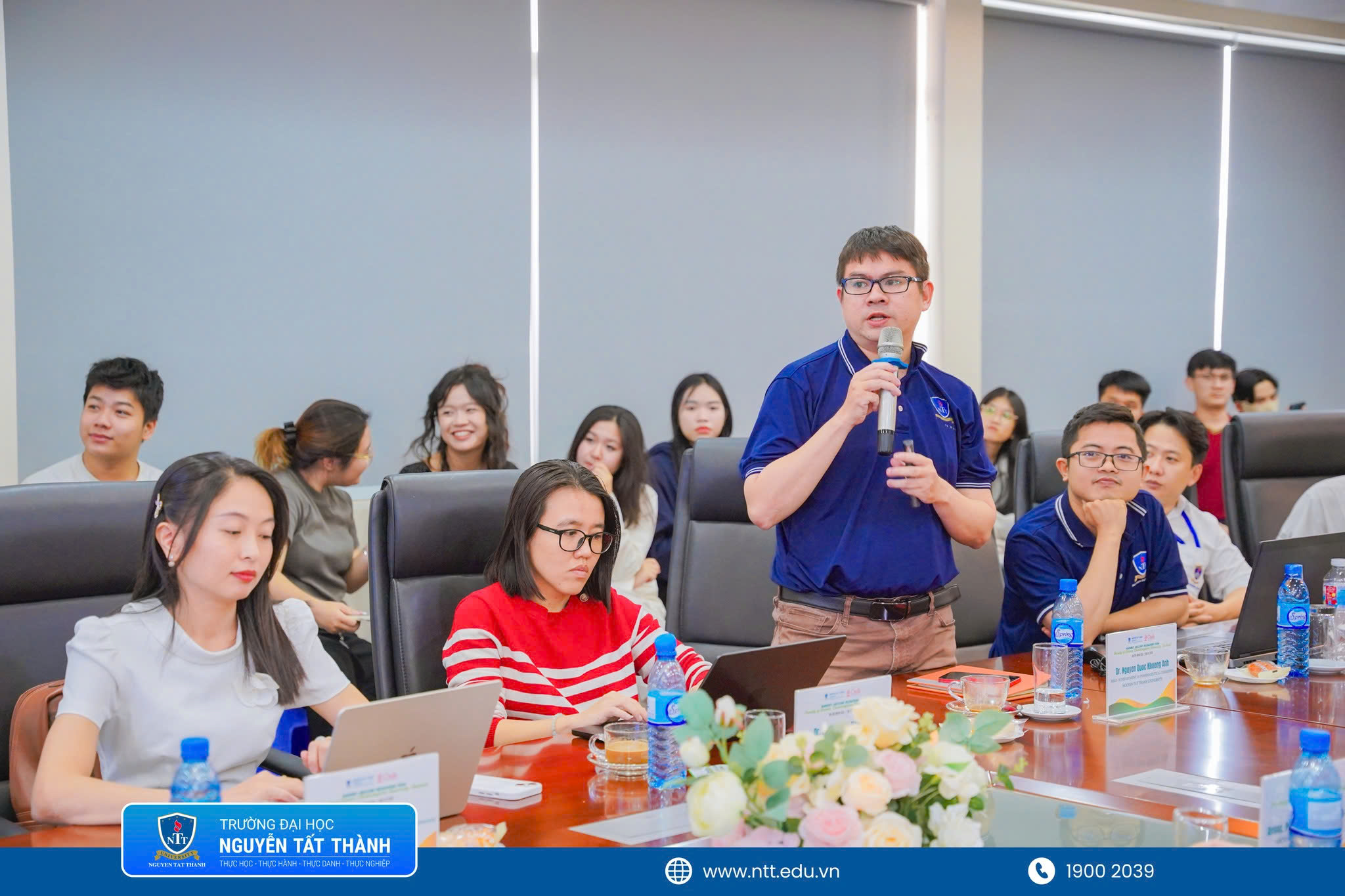
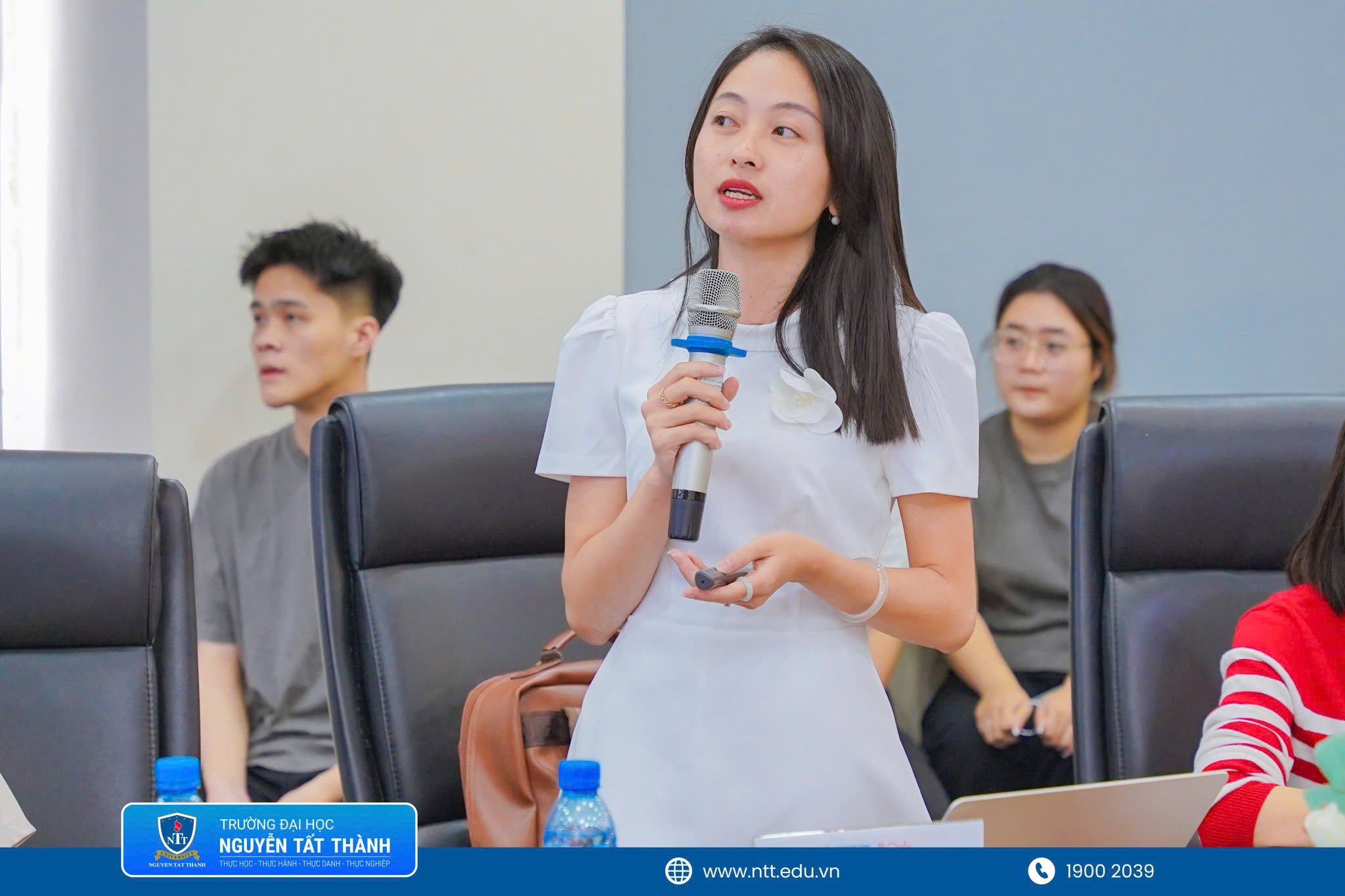
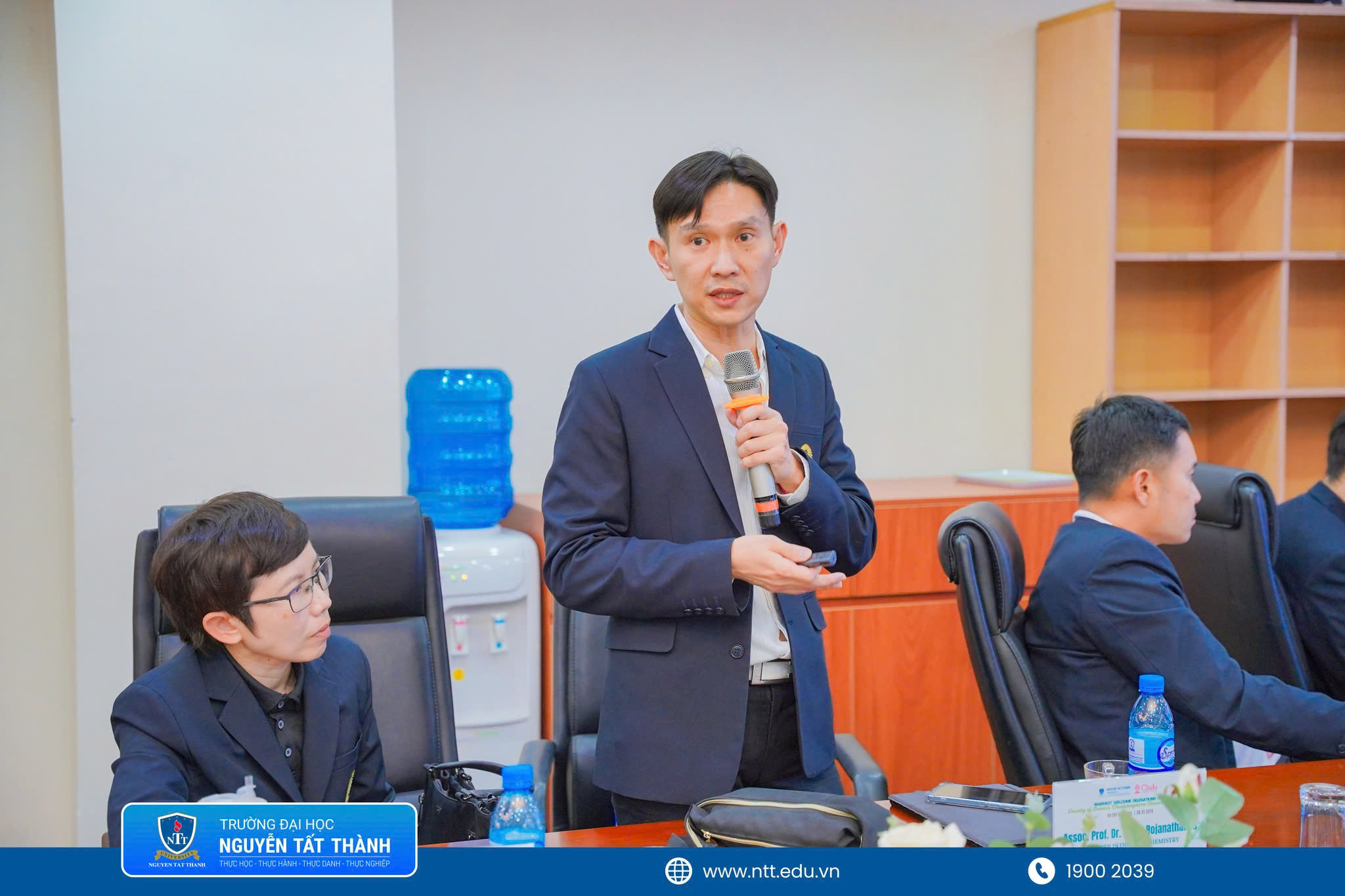
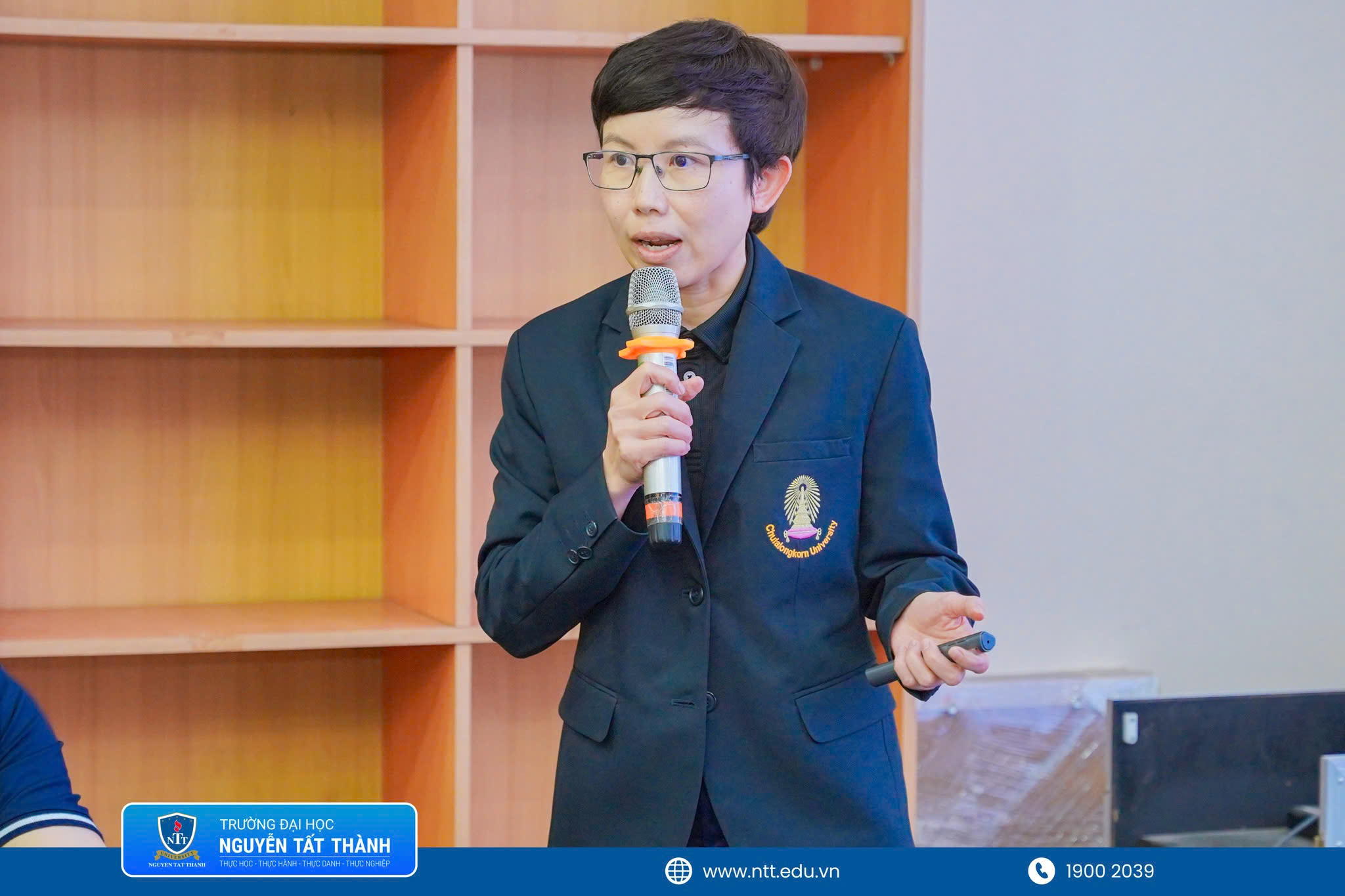
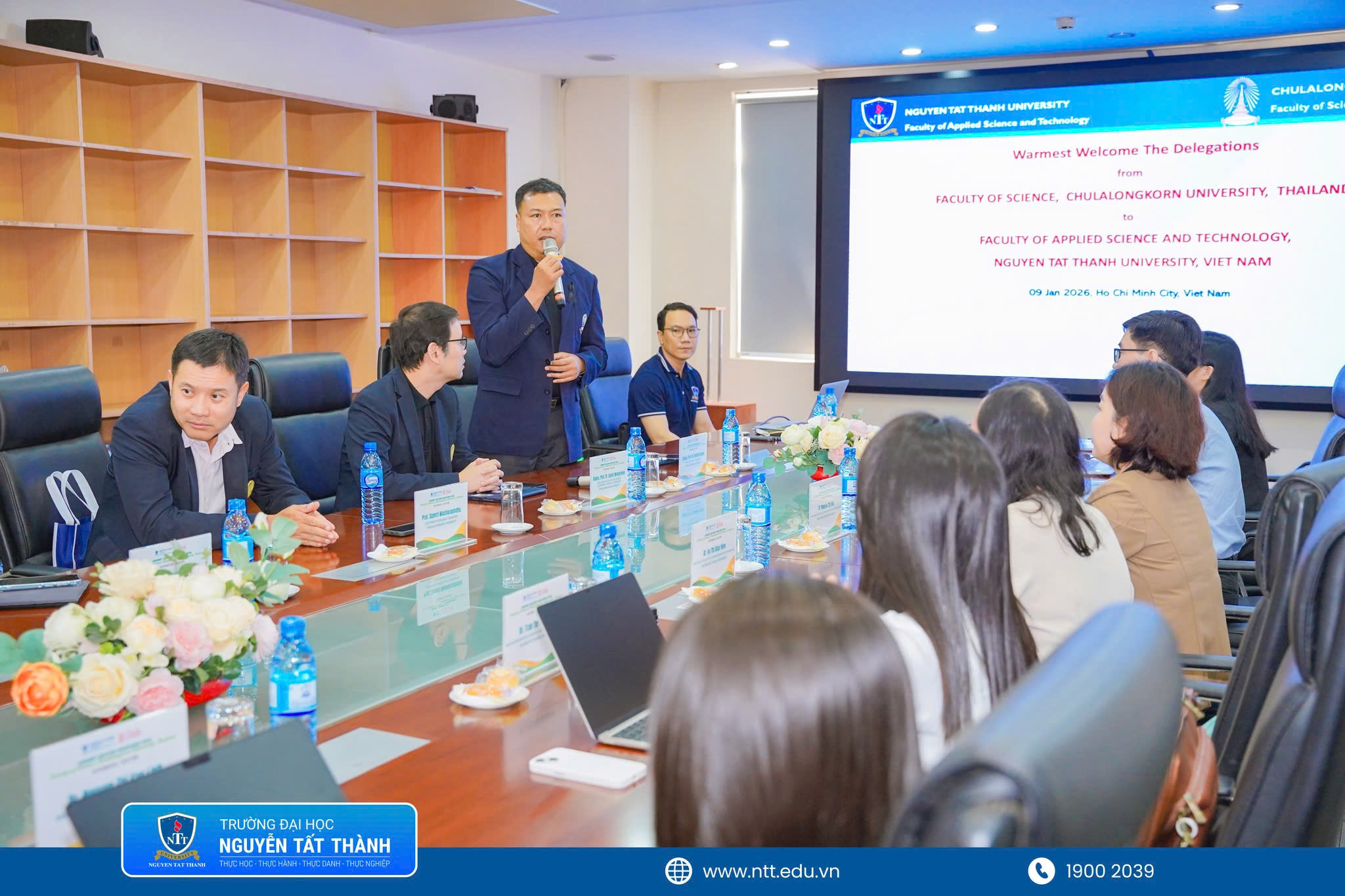
Looking toward the future, the program established a comprehensive framework for long-term, sustainable cooperation. This includes concrete initiatives such as collaborating on projects for publication in high-impact international journals and implementing faculty and student exchange programs to facilitate a cross-pollination of ideas. Furthermore, the potential for co-supervising PhD candidates highlights a commitment to developing the next generation of scientists under a global perspective. This strategic move by the Faculty of Applied Sciences and Technology not only enhances the university’s prestige but also plays a crucial role in preparing a high-quality workforce capable of thriving in an increasingly interconnected and competitive globalized world.
By: Cam Thach
Photos: Media
Translated by: Department of Global Engagement