

Nguyen Tat Thanh University attends the 4th Vietnam–Japan University Presidents’ Conference
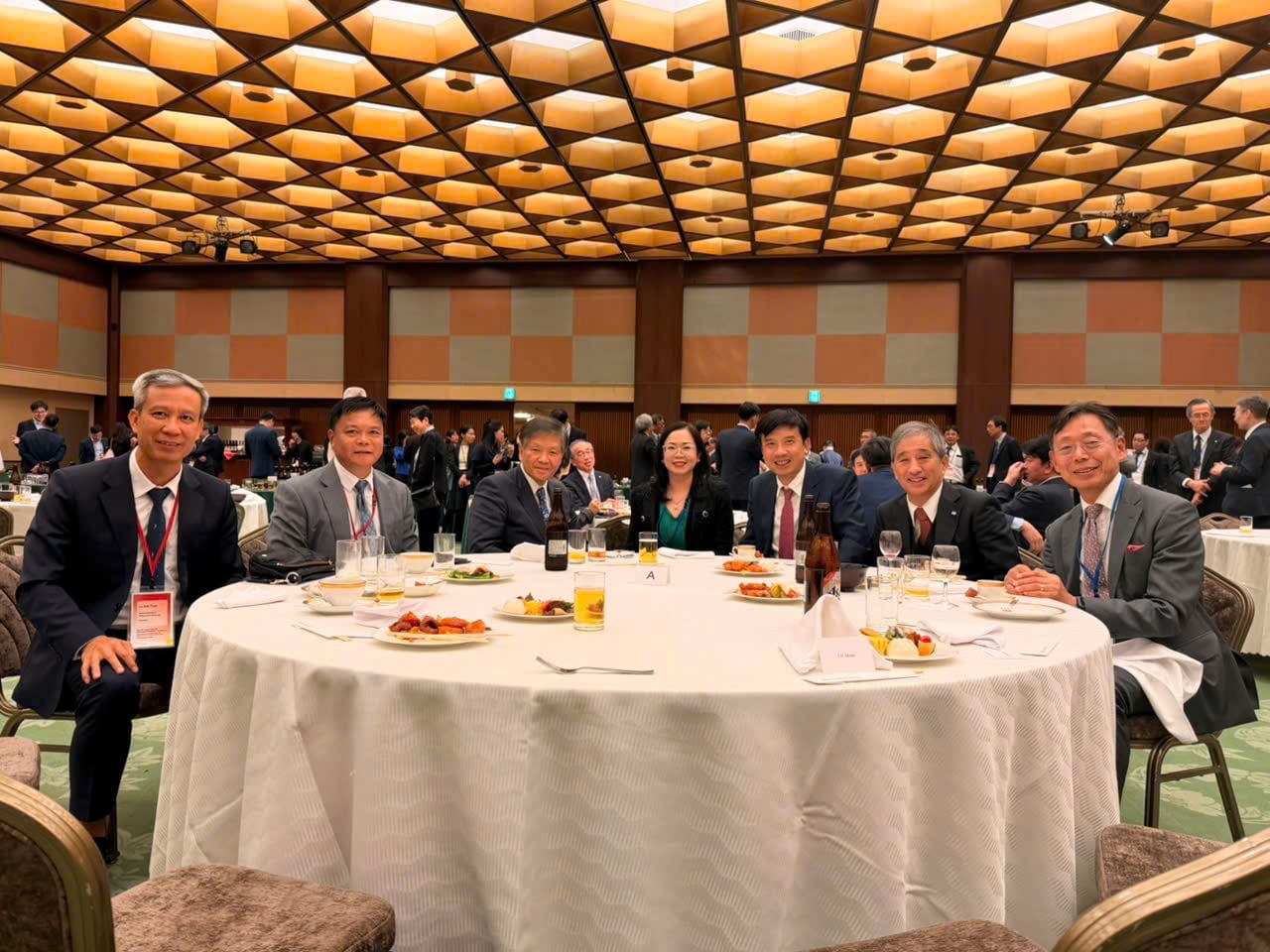
NTTU – Osaka, Japan – On 8-9 October 2026, the 4th Vietnam – Japan University Presidents’ Conference took place at Osaka University, Japan, under the theme “Achievements and Future Vision of Vietnam – Japan Academic Cooperation.” The conference brought together leaders of 38 Vietnamese and 30 Japanese higher education institutions. The Vietnamese delegation was led by Deputy Minister of Education and Training Le Quan, with the aim of promoting higher education cooperation and scientific research, and expanding academic partnership opportunities between the two countries. Nguyen Tat Thanh University (NTTU) was represented by Vice Presidents Assoc. Prof. Dr. Nguyen Lan Phuong and Assoc. Prof. Dr. Tran Thi Hong.
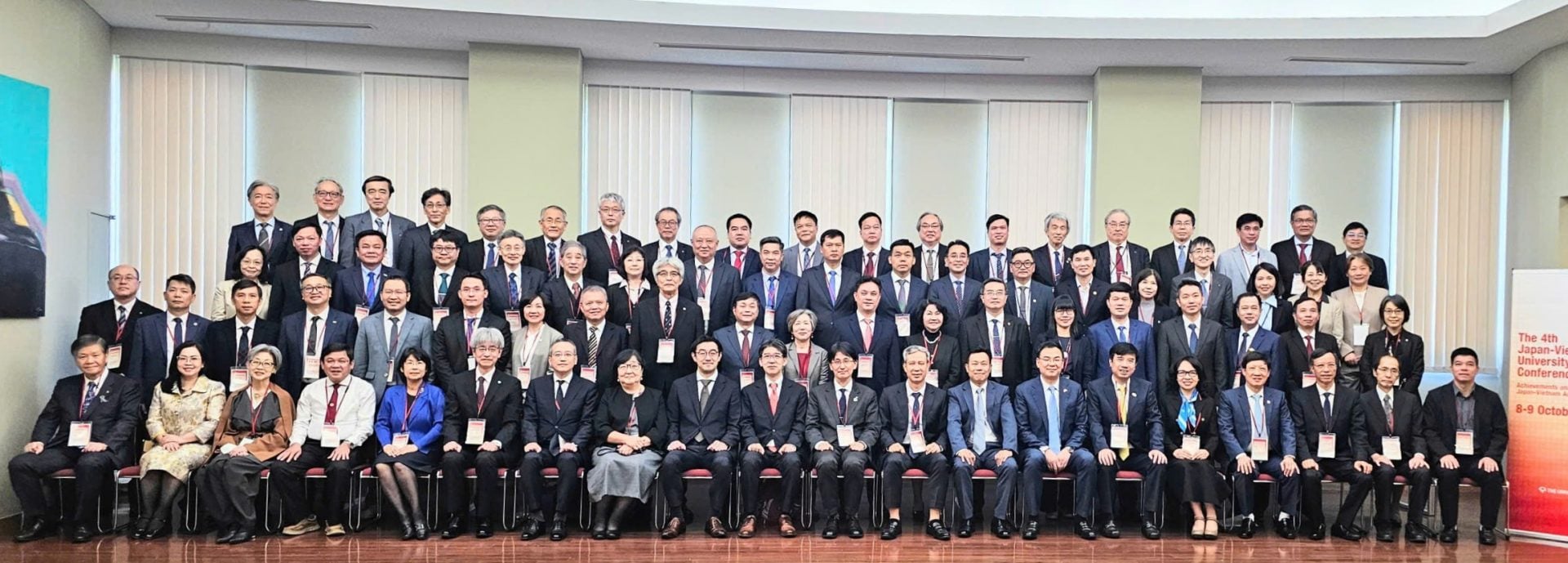
Nearly 70 Vietnamese and Japanese higher education institutions exchanged ideas on cooperation.
A forum connecting higher education in both countries
The conference was attended by leaders of 38 Vietnamese and 30 Japanese higher education institutions, together with representatives of government agencies, research organizations and businesses from both countries. It was the first conference since the third edition, held in Da Nang in 2015, and is regarded as an important forum for universities to strengthen ties and promote cooperation in training, scientific research and innovation.
Speaking at the conference, Deputy Minister Le Quan recalled that Vietnam – Japan relations have been elevated to a Comprehensive Strategic Partnership, with notable achievements in education and training:
-
- More than 40,000 Vietnamese students are currently studying in Japan.
- Universities of the two countries have signed about 1,800 cooperation agreements, three times as many as a decade ago.
- The Japanese Grant Aid for Human Resource Development Scholarship (JDS) has supported the training of nearly 900 officials and highly skilled professionals.
- Vietnam–Japan University stands as a symbol of educational cooperation between the two countries.
The Deputy Minister emphasized that Vietnam aims to become a developed, high-income country by 2045, with education, science, technology and innovation as key drivers. In the semiconductor sector alone, the goal is to train at least 50,000 professionals with a bachelor’s degree or higher by 2030.
On the direction of cooperation between Vietnamese and Japanese universities, Deputy Minister Le Quan proposed the following:
-
- First, strengthen cooperation among universities to develop high-quality human resources: expand joint training programs, offer dual degrees, co-supervise doctoral students, and exchange lecturers and scientists.
- Second, promote closer links among the State, universities and businesses in strategic technology fields such as semiconductors, artificial intelligence, healthcare and green energy, including building joint laboratories and transferring and commercializing technology.
- Third, define specific activities and remove barriers, such as credit recognition, joint research funding mechanisms, intellectual property and visa procedures.
At the conference, delegates focused on two key topics. The first was promoting cooperation among higher education institutions in developing global human resources and increasing social impact. The second was strengthening collaboration among universities, businesses and the governments of both countries to build an innovation ecosystem.
Through thematic sessions co-chaired by Vietnamese and Japanese representatives, universities shared models, experiences and practical results of their cooperation, opening new directions for collaboration in training, scientific research and technology transfer between the two countries.
NTTU expands cooperation with Japan in training, research and academic exchange
 |
 |
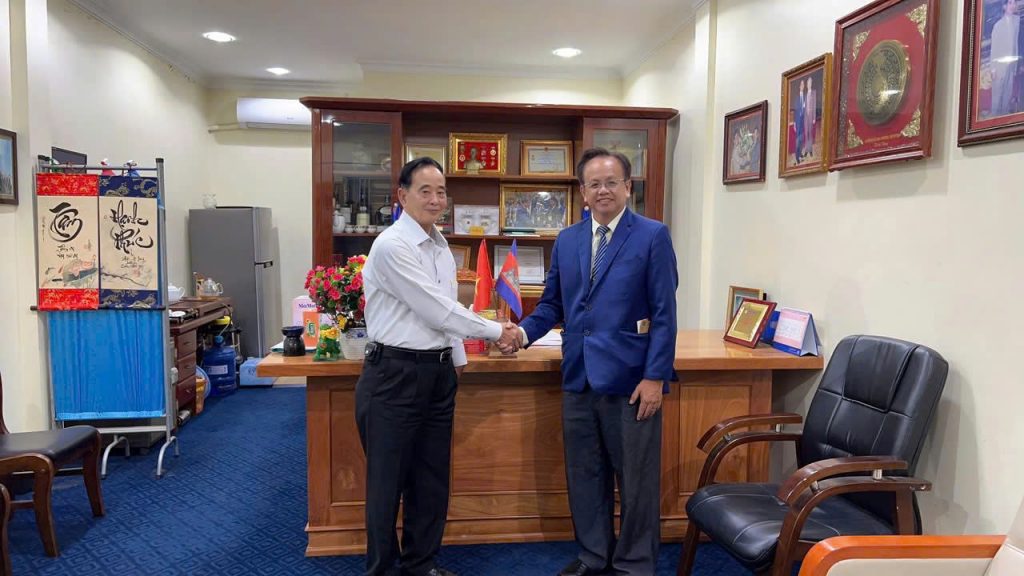
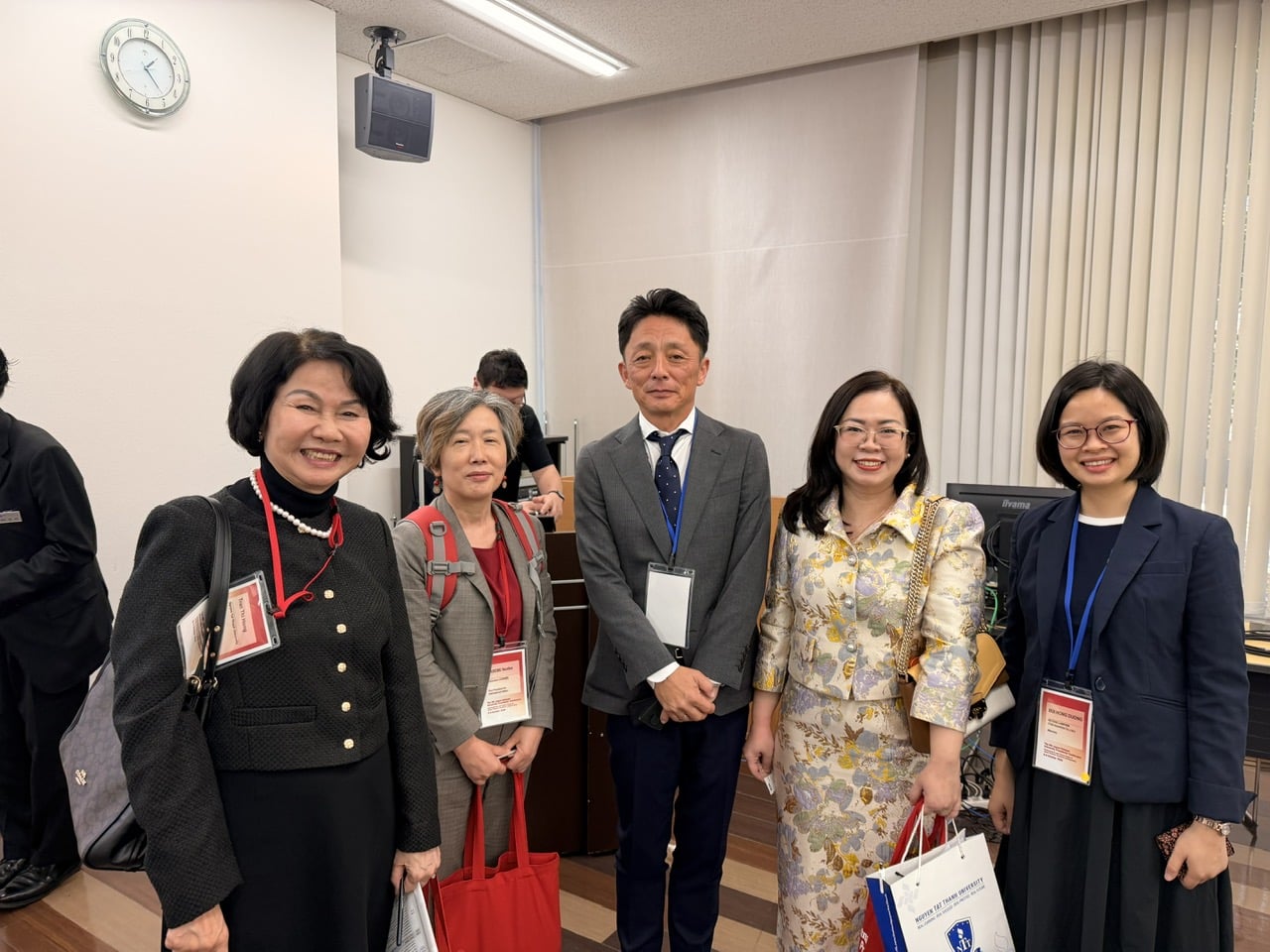
Assoc. Prof. Dr. Tran Thi Hong and Assoc. Prof. Dr. Nguyen Lan Phuong meet with Japanese delegates on the sidelines of the conference
Attending the conference further affirms NTTU’s commitment to strengthening international cooperation, particularly in developing relationships with higher education institutions and organizations in Japan.
In recent years, NTTU has steadily expanded its partnerships with Japanese educational institutions and businesses, contributing to the internationalization of education and to better training quality and scientific research. In 2023, the University signed a cooperation agreement with Josai International University to broaden opportunities for academic exchange and joint research activities.
Also in 2023, the University established partnerships with Aomori Chuo Gakuin University and Aomori Tanaka Academy, with the goal of developing an NTTU satellite campus in Japan, as well as strengthening academic exchange and promoting the University’s image internationally. Building on this foundation, the parties have launched an online training program in Early Childhood Education, and have welcomed Japanese experts to conduct surveys and collect data from Nursing students for scientific research.
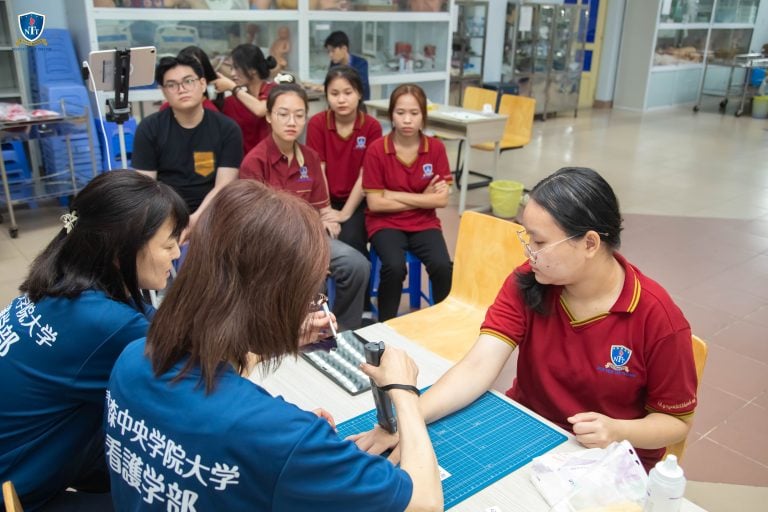
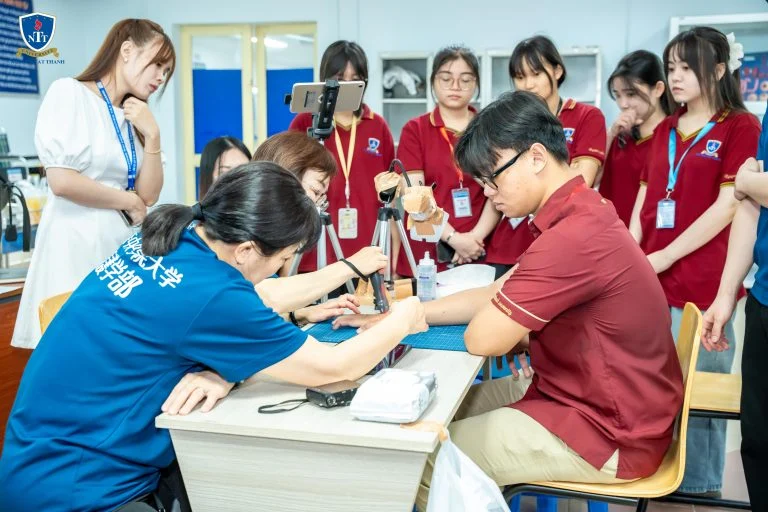
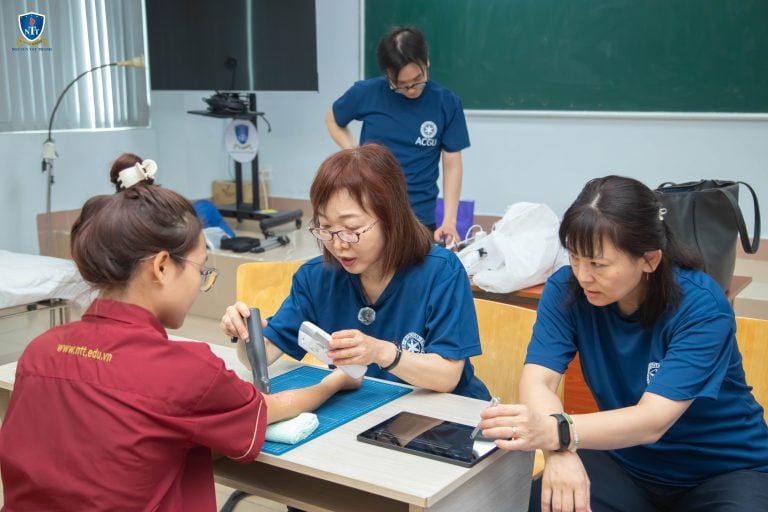
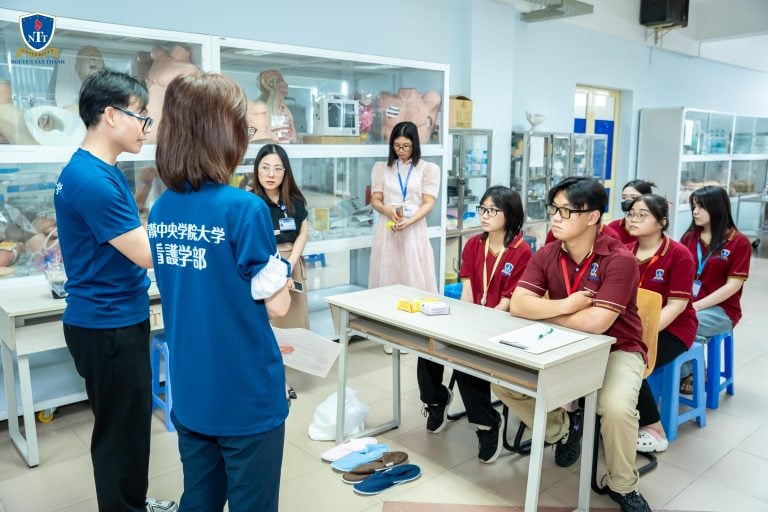
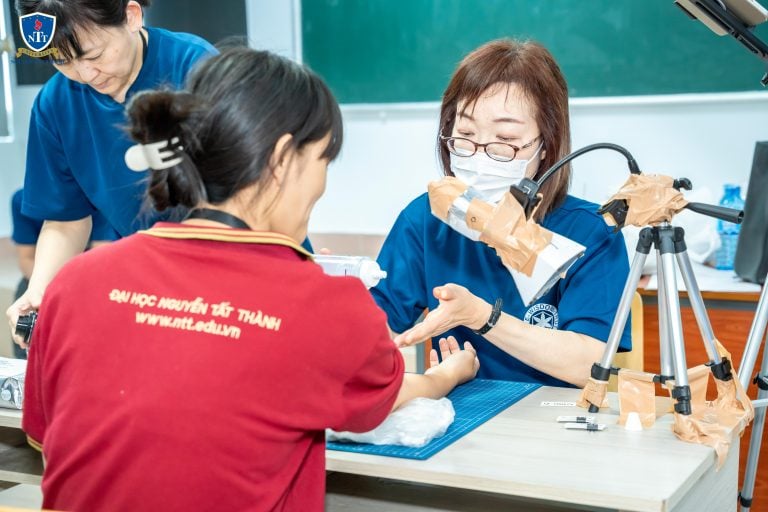
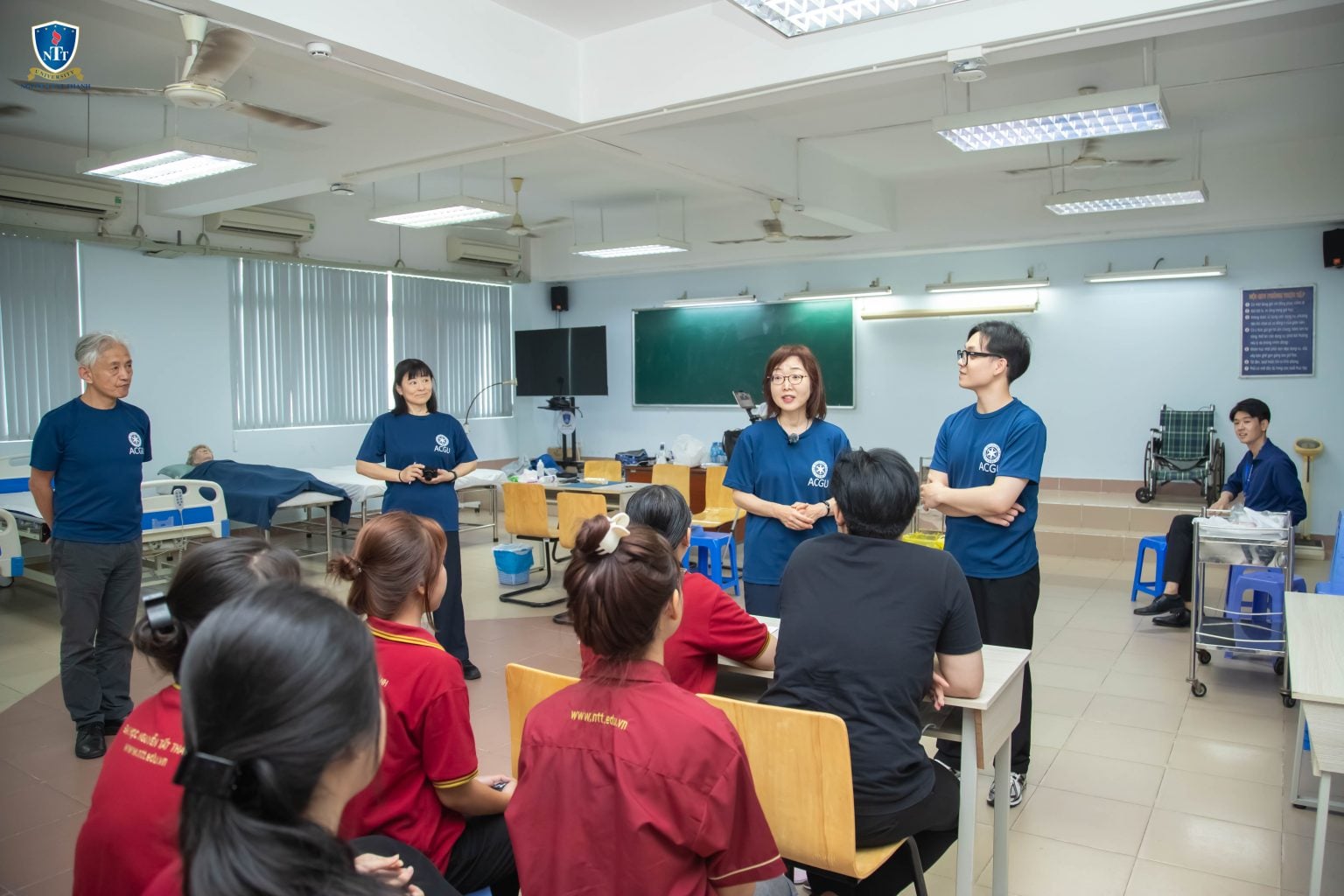
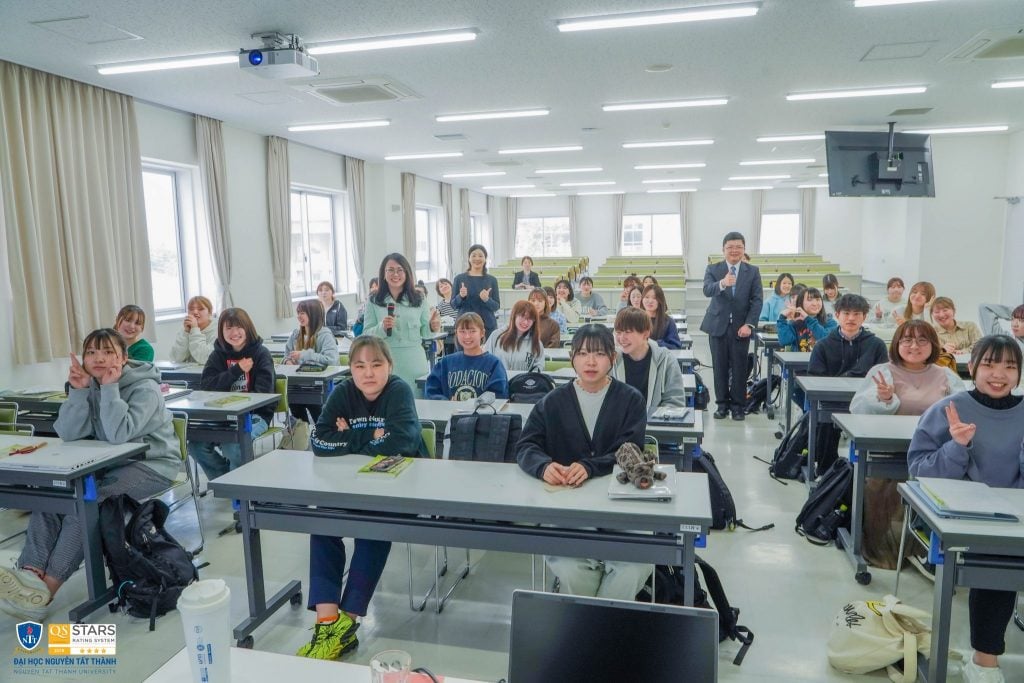
A delegation from Aomori Chuo Gakuin University visited NTTU in February 2025.
Beyond academic cooperation, NTTU has also expanded relationships with Japanese businesses and organizations, including AMBIX Co., Ltd., which enables students to take part in observation placements and internships in Japan in Hospitality, Mechanical Engineering and Automotive Engineering Technology.
At the same time, the University has stepped up cooperation with Japanese businesses and experts through academic exchanges, professional knowledge sharing, recruitment interviews, and paid internship programs for students in Japan. In particular, students in Tourism, Hotel Management and Civil Engineering are given opportunities to experience an international working environment, improve their professional skills and language proficiency, and broaden their career prospects after graduation. These activities help affirm NTTU’s practice-oriented approach to education and its commitment to international integration.
Building on its existing cooperation programs, NTTU looks forward to further developing its achievements and making the most of the connections made at the conference to turn suitable cooperation directions into concrete projects aligned with the University’s development strategy. In doing so, the University aims to steadily enhance its capacity for international integration and educational quality, and to contribute to the overall development of Vietnam’s higher education in an increasingly internationalized context.
Translated by: Department of Global Engagement
Photos: Department of Global Engagement, Media